The first few seconds may render in low quality. Please give them a few seconds to render.
The Basics
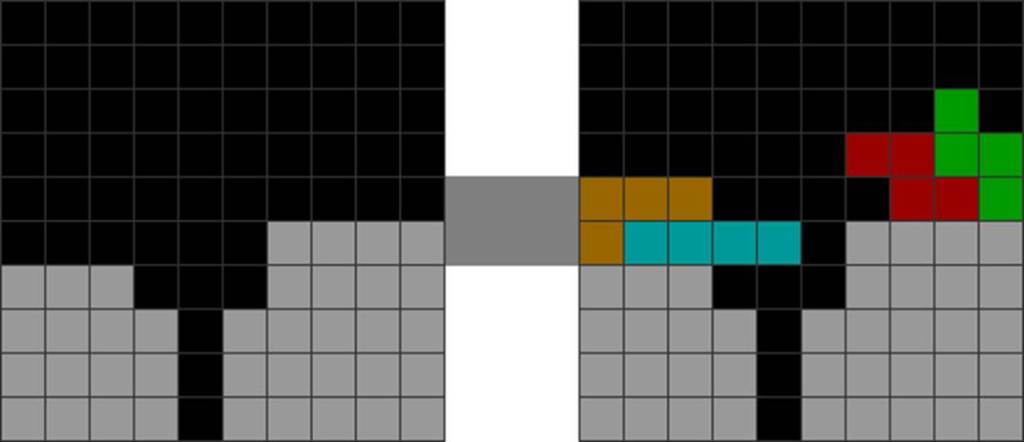
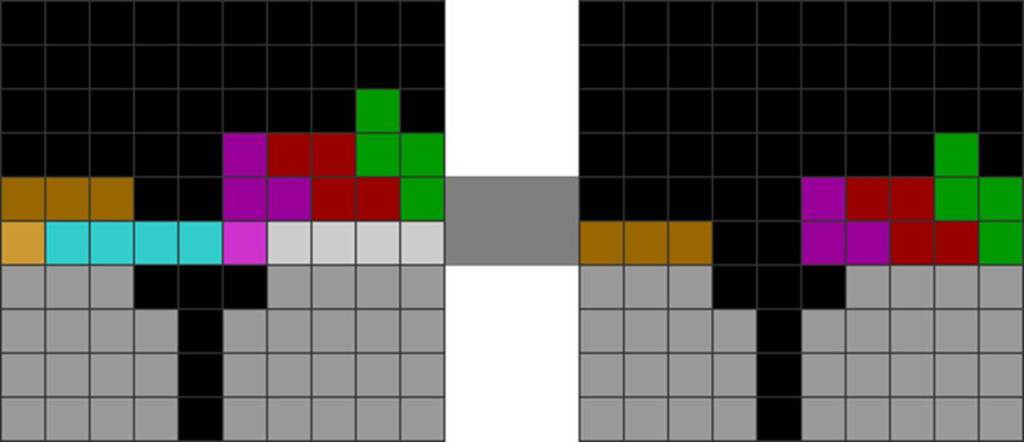
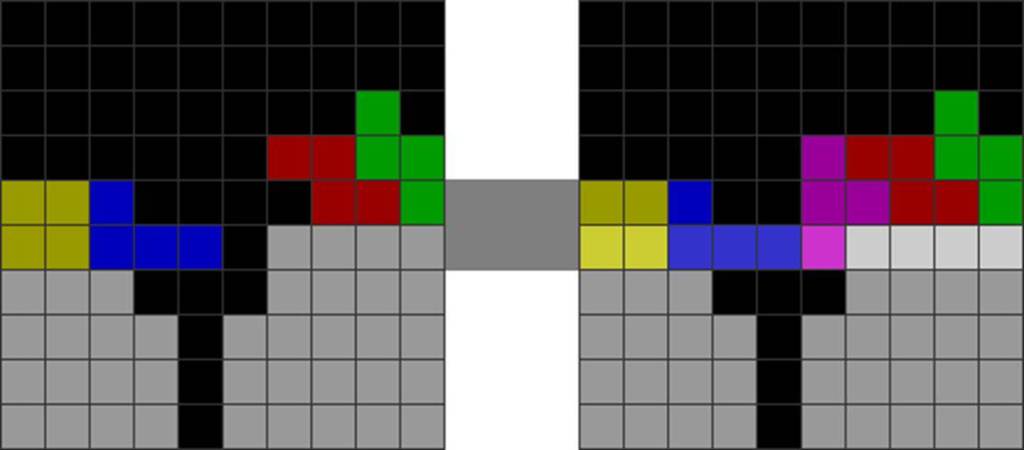
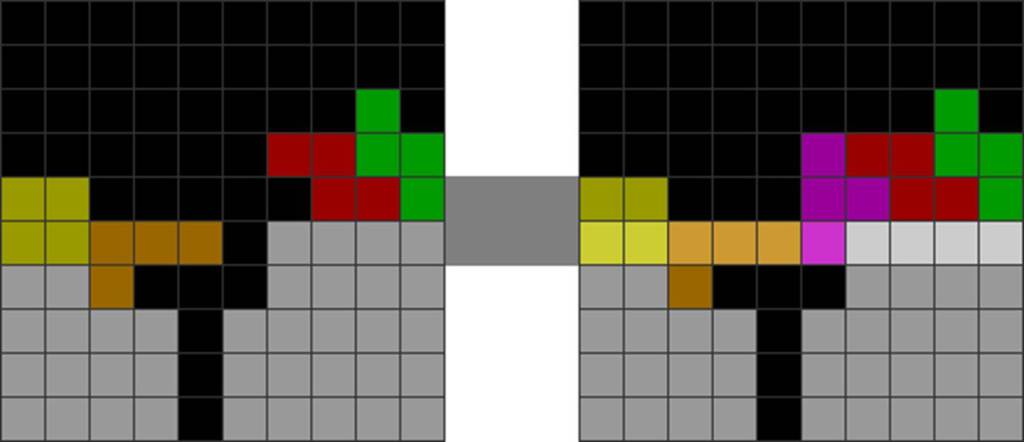
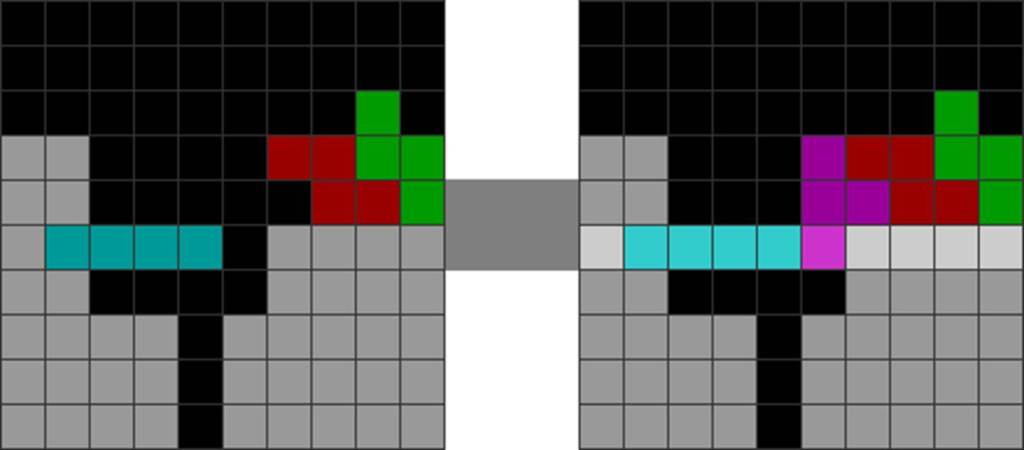
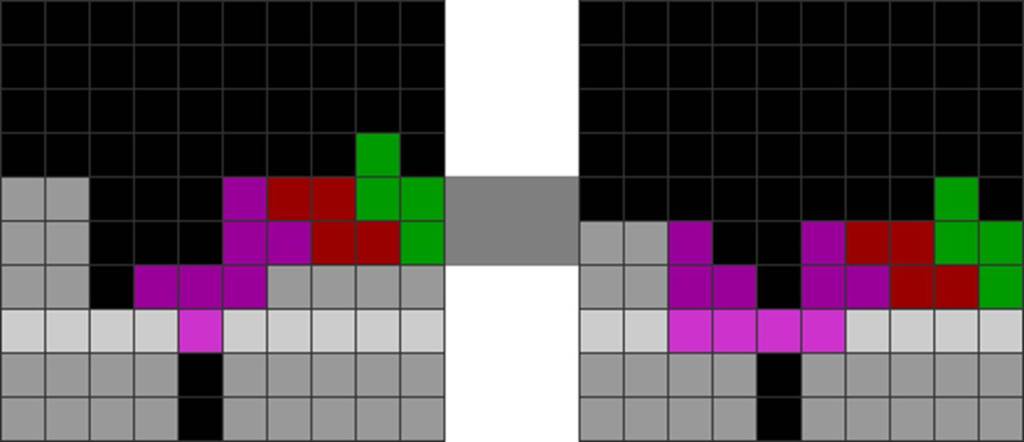
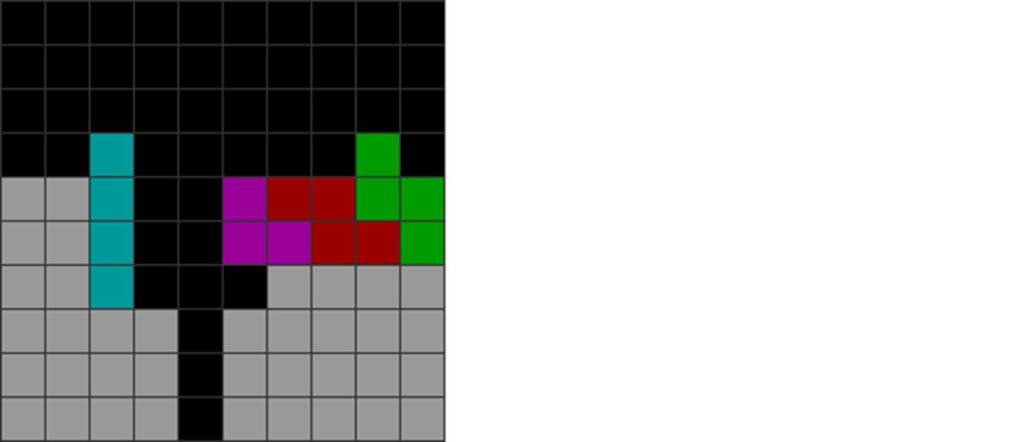
Winsor T-spin typically involves making a T-spin single, followed by a T-spin double.
To do the Winsor T-spin, do this:
Diagram Set 18-1
1
2
Starting mid-game opportunity.
One makes this shape with the L, I, S, and Z pieces.
3
4
The first T-spin is a single, with the T spun vertically like this.
This leaves this leftover shape that leads to a second T-spin.
Variants
Winsor T-spins have many variations beyond the most common one (variant 1) that most guides never cover:
1. Variant 1
This is the most common variation:
Diagram Set 18-2
1
2
Diagram Set 18-3
1
2
For both sequences 18-2 and 18-3, you can let the base be made of an L or J piece instead of an I piece. Both transition to a T-spin double after the first T-spin single line clear.
2. Variant 2
In rare instances, the third T-spin can be a mini:
Diagram Set 18-4
1
2
One makes A Winsor T-spin single.
3
4
The next T-spin is a single line clear.
The third one is a T-spin mini line clear.
Alt. A
This alternative pattern of a regular T-spin double follows from step 2 if the original sequence cannot be made.
3. Variant 3
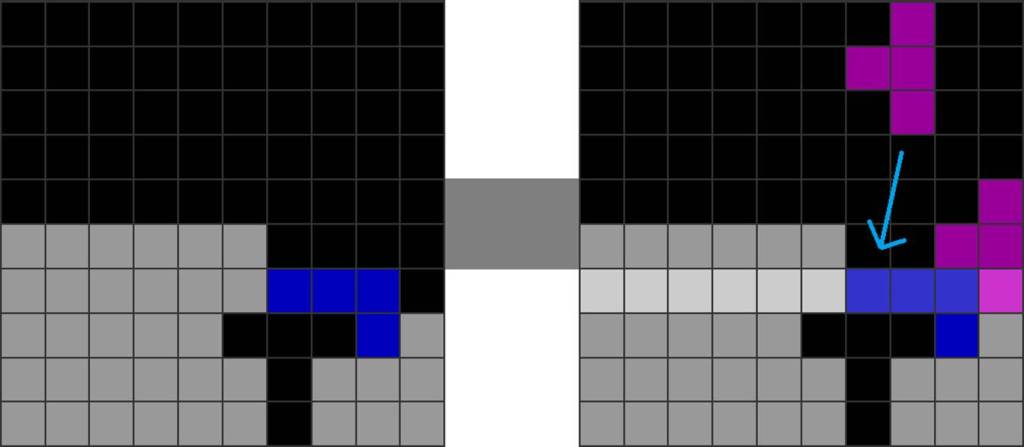
Finally, you can use this variation to squeeze out an extra back-to-back T-spin mini:
Diagram Set 18-5
1
2
This variant is mostly used during 6-3 stacking like this.
Make a T-spin mini. You will open up the next back-to-back T-spin double.
In a Nutshell
Winsor T-spins open up more mid-game T-spin opportunities. They are often used as a recovery method if other, more straightforward T-spins are unavailable.
Pros and Cons
Pros
It lets you make 2 quick T-spins.
Provides extra T-spin chances when all others do not exist.
Useful for using extra Ts for T-spinning rather than placing them in the stack.
Cons
Winsor’s initial T-spin single is weak, disrupts parity, requires a T to rebalance for continuations, and blocks the Tetris hole, adding risk.