The first few seconds may render in low quality. Please give them a few seconds to render.
The Basics
Diagram Set 20-1
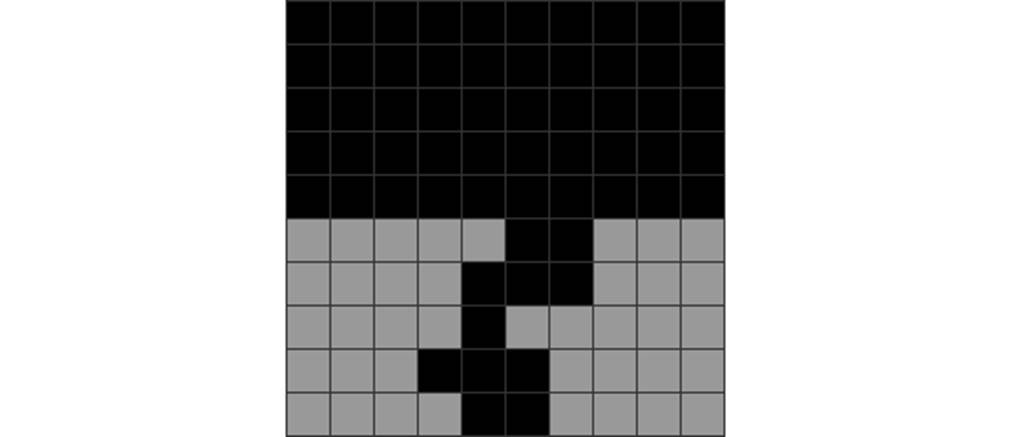
Single-Double is a flexible double T-spin method.
It has 2 paths. The first, more common path is to make the first T-spin a single, leading to a T-spin double. The second path involves placing the T horizontally to make a T-spin double. This then leads to an STSD.
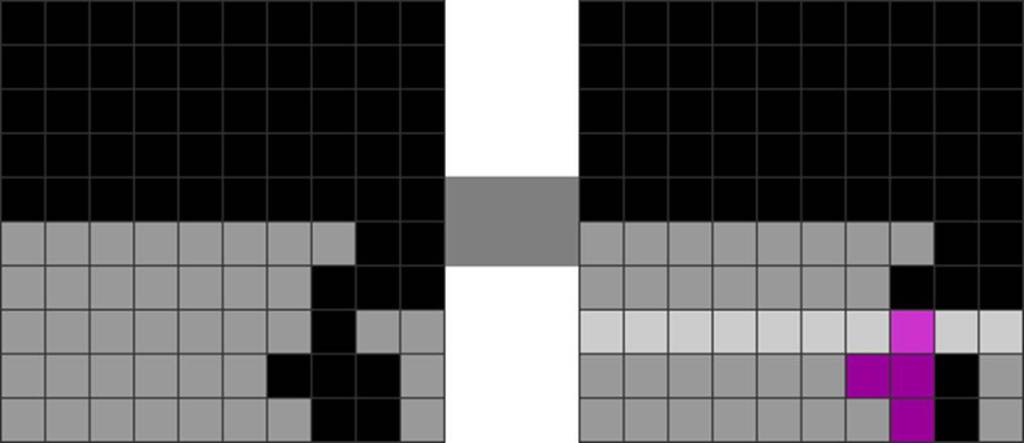
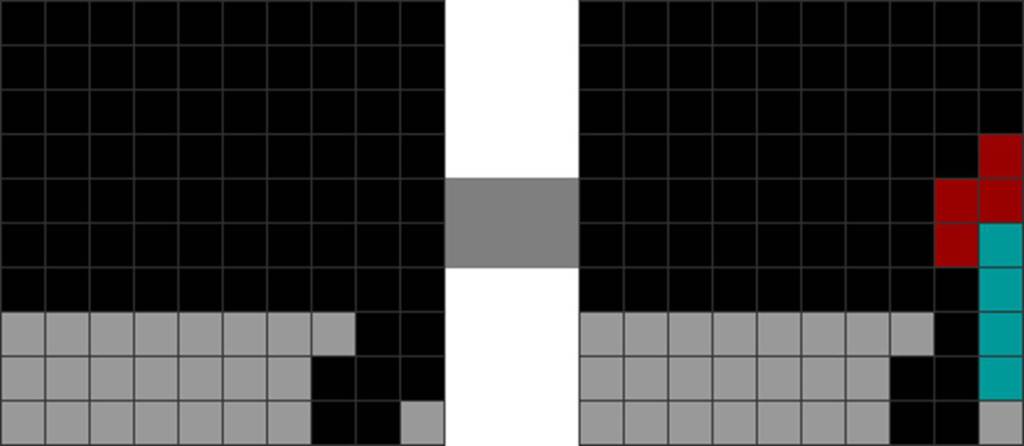
This is the first path:
Diagram Set 20-2
1
2
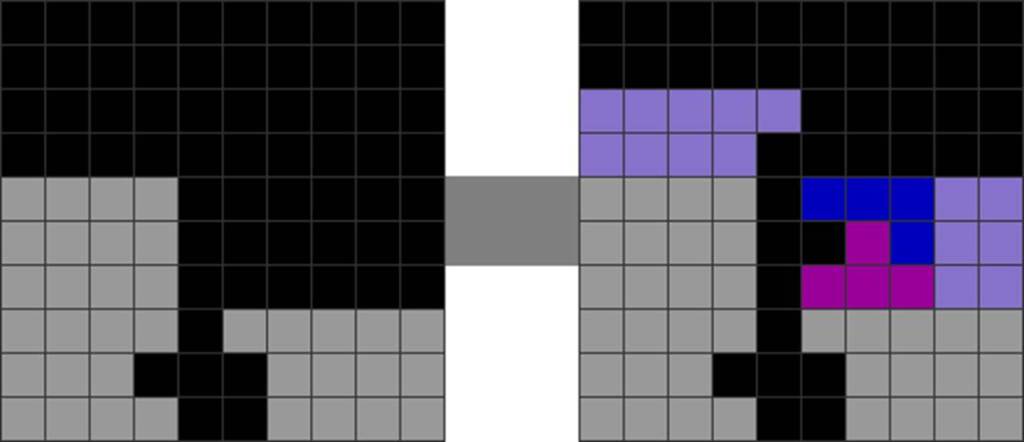
In step 2, the player inserts the T vertically, which leads to a T-spin single line clear.
3
You get this field, which transitions to a regular T-spin double.
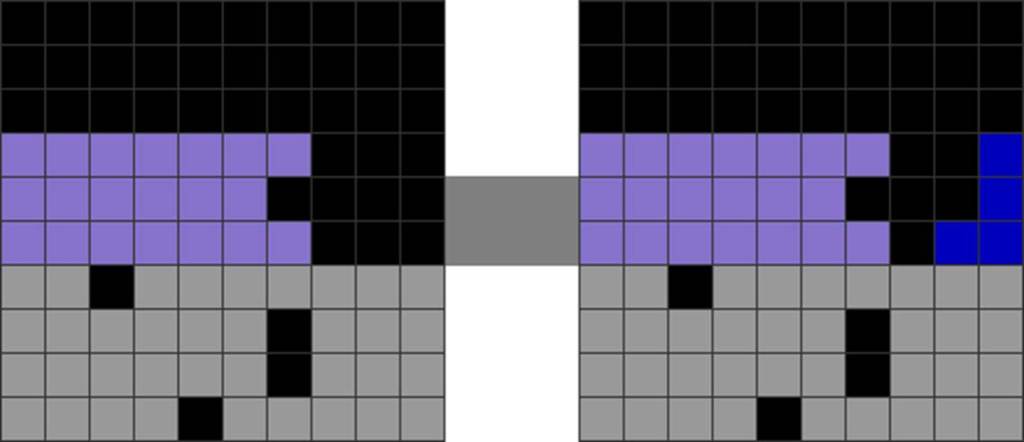
This is the second path:
Diagram Set 20-3
1
2
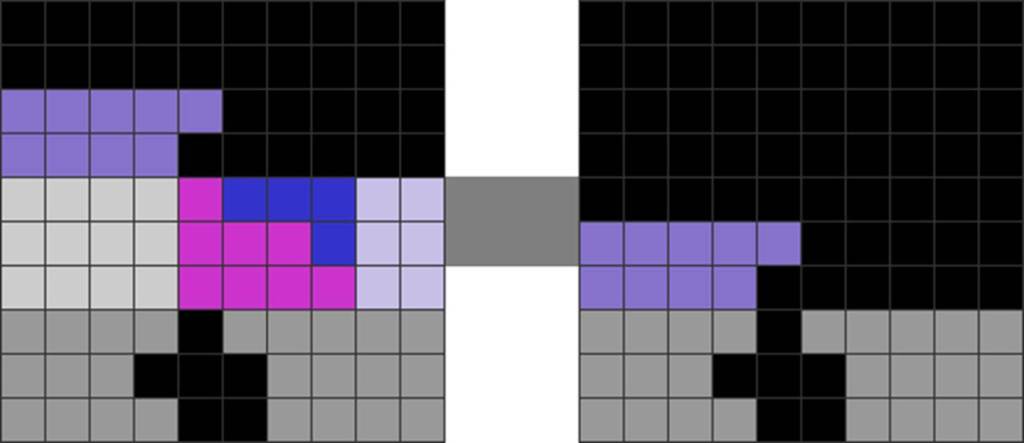
In step 2, the player instead inserts the T horizontally, making a T-spin double line clear.
3
4
You get this STSD opportunity.
The player puts I and Z, making the STSD follow-up.
Common Mid-Game Chances
Single-doubles are incredibly flexible and can be used as a substitute if some other setups are not possible to construct:
1. Substituting Normal T-spin Doubles
I have encountered this T-spin double situation way too many times:
Diagram Set 20-4
1
2
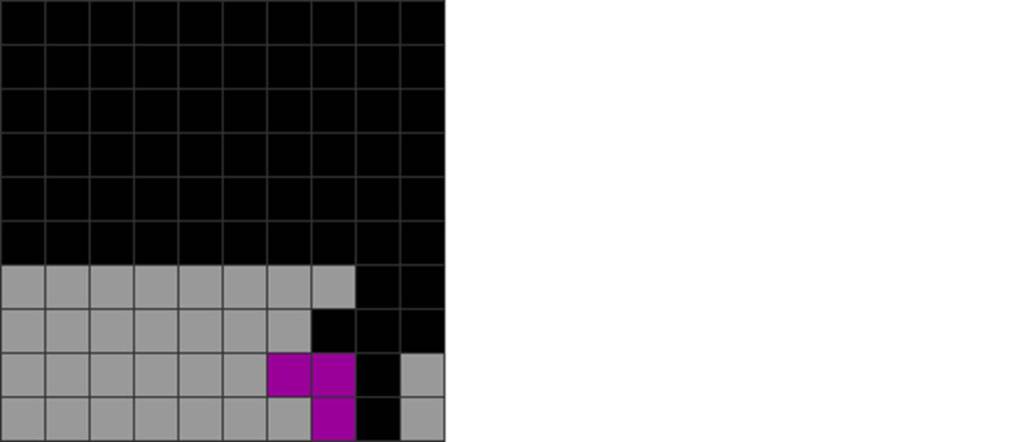
The player easily puts a J this way to make a T-spin double.
What if J does not come? You can instead do this by creating a Single-Double:
Diagram Set 20-5
1
2
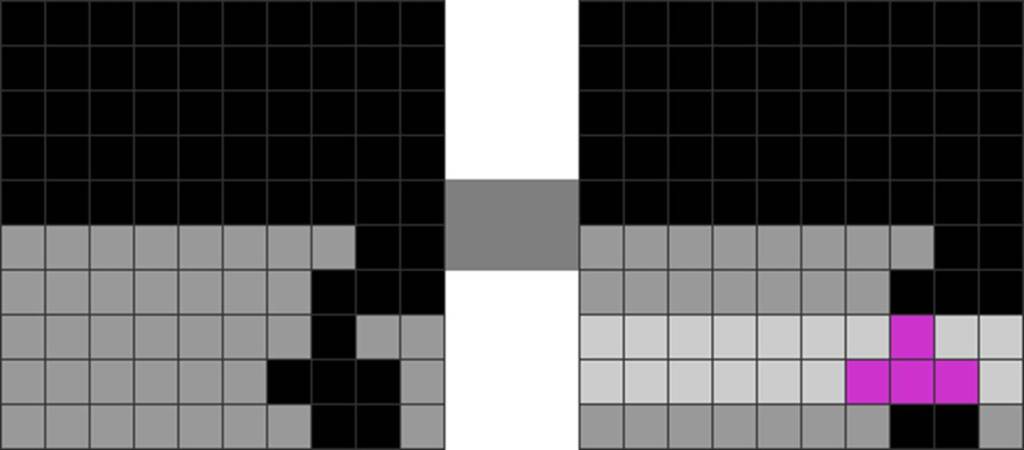
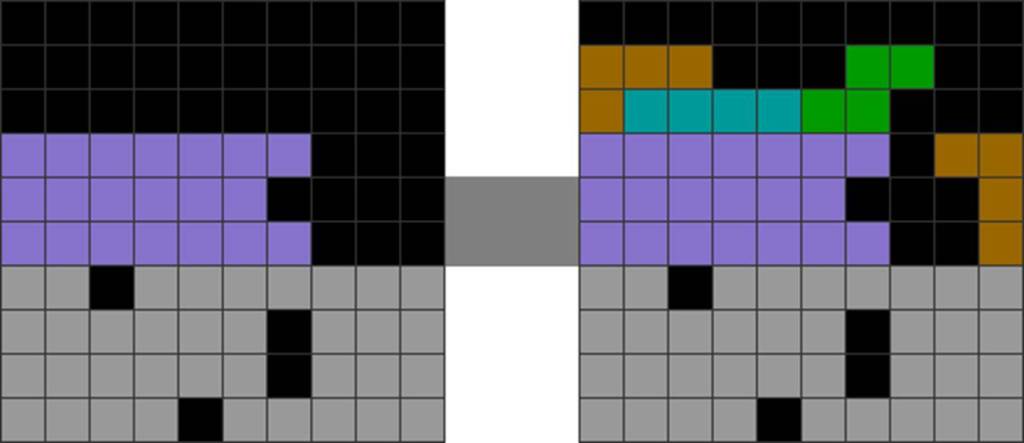
J does not arrive. Thus, the player puts an L vertically in step 2.
3
4
The first T-spin single concludes.
The second T-spin is ready.
In set 20-4, J may not arrive for you to make a T-spin double. Sometimes, you get an L instead, which is good as you can make the single-double in set 20-5 to get 2 T-spins!
Advanced
Single-Doubles have advanced variations:
1. Spliced Single-Doubles
A Single-Double can be stacked with T-spin triples to extend its damage. However, my experience is that it is highly redundant:
Diagram Set 20-6
1
2
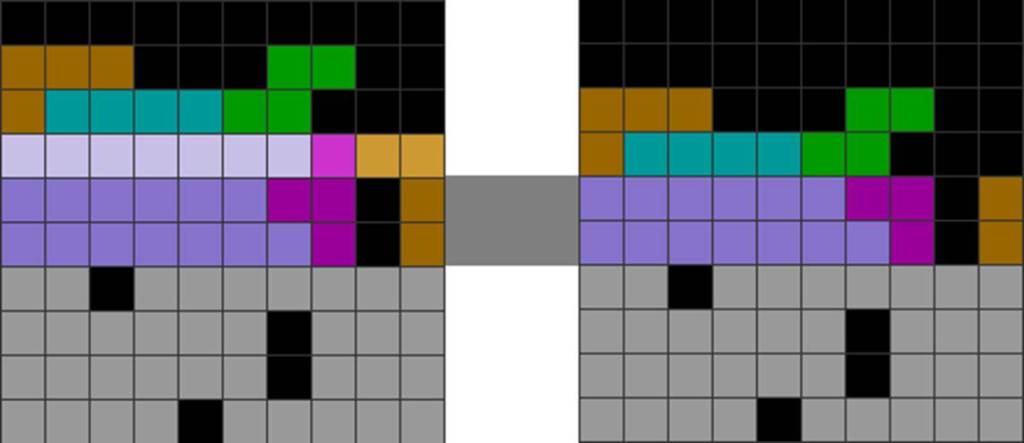
The player tops a J and T like this. This inserts a T-spin triple into a regular Single-Double.
3
4
The T-spin triple concludes. This leaves a regular Single-Double.
This is dangerous, but makes for a spectacular method to wow your viewers if you are streaming Tetris.
In a Nutshell
Single-Doubles are surprisingly very practical, but they serve a niche role. They can serve as valuable substitutes to certain more straightforward T-spin double situations, if the preview pieces do not allow for the latter.
Pros and Cons
Pros
Provides flexibility by substituting other T-spin doubles if the pieces do not allow.
Has several ways to follow it up.
Decent damage.
Cons
Less damaging compared to STSDs or Fractals.
The follow-ups are clunky.
Often not the most optimal setup in many situations; highly niche.
 How to Tetris