Please give it a few seconds to render. The first few seconds may render in low quality.
The Basics
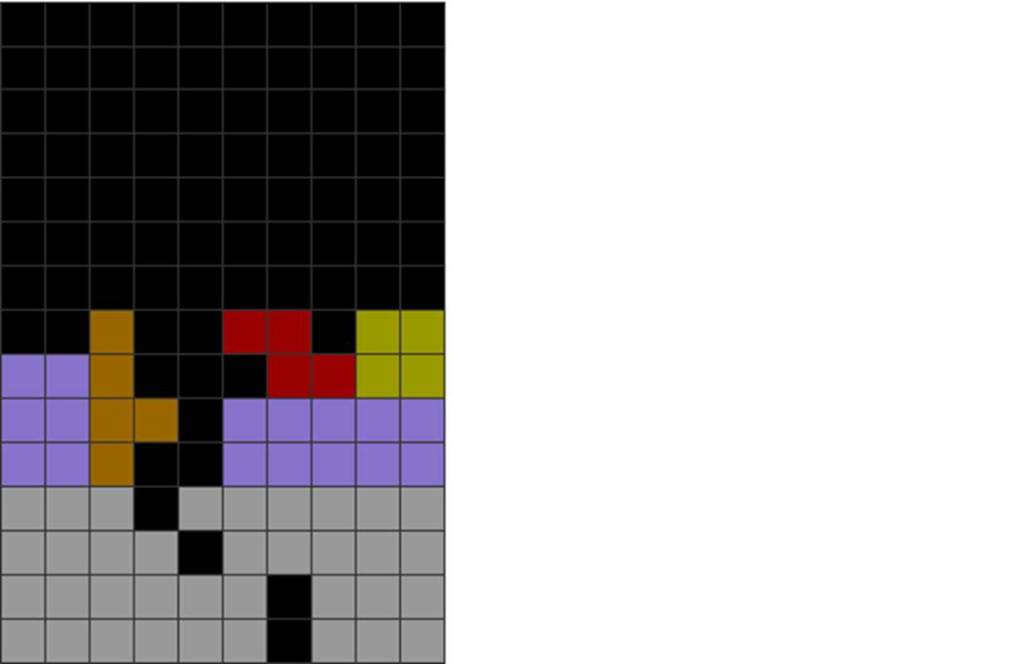
Diagram Set 3-1
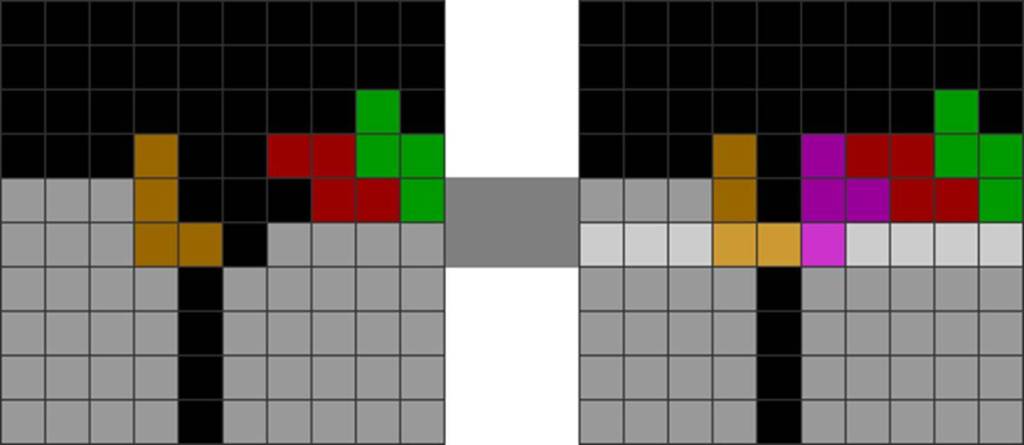
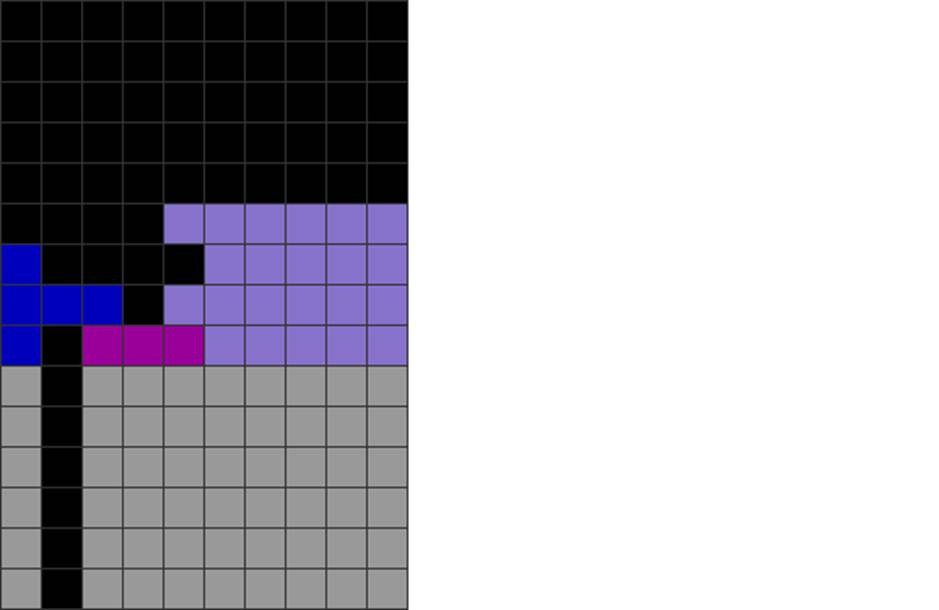
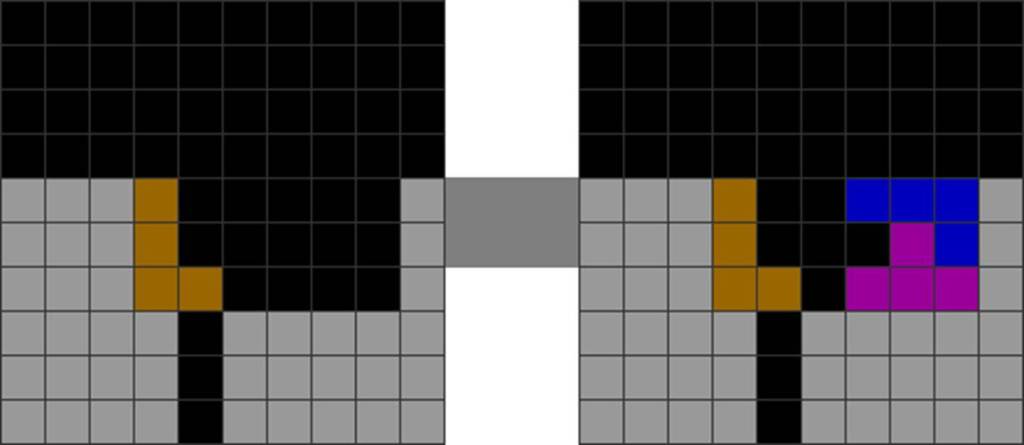
Parapet is a T-spin donation made possible with a horizontal or vertical L or J placement. This often leads to either a T-spin single or a T-spin double.
It is one of the most essential and frequent T-spin continuations, and I suggest mastering it.
Common Mid-Game Chances
Parapet has 3 major variations:
1. Variant 1
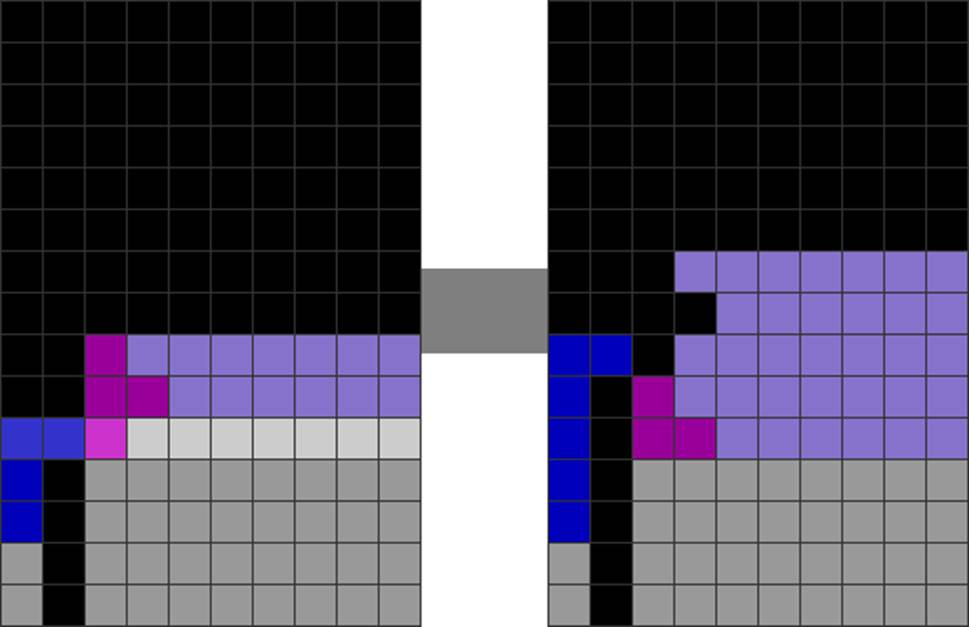
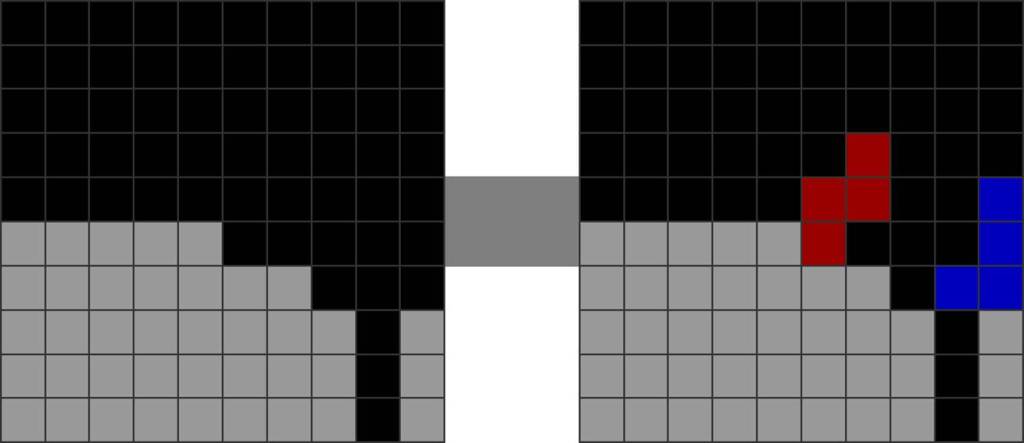
This vertical placement of L (J, if mirrored) as the Parapet base is the most commonly used variant:
Diagram Set 3-2
1
2
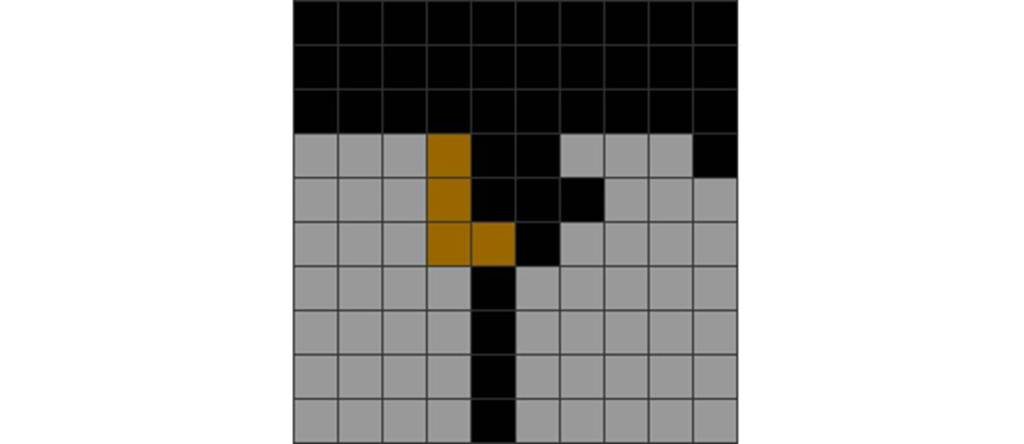
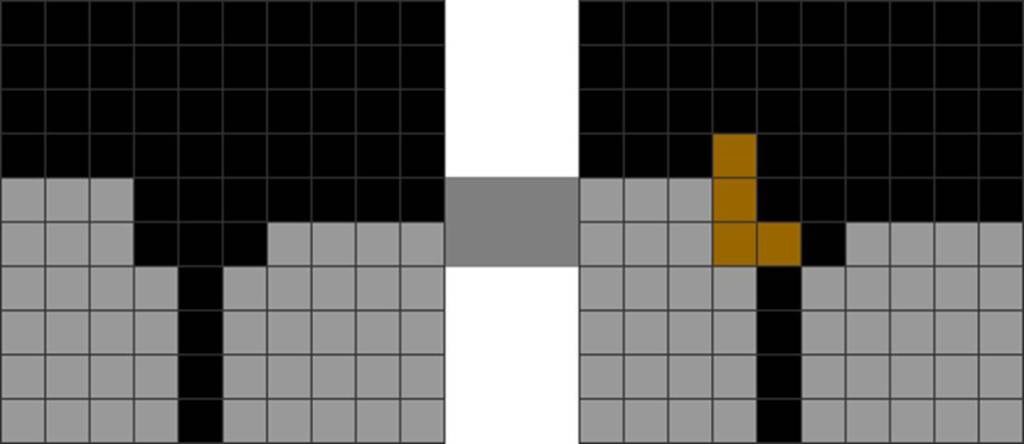
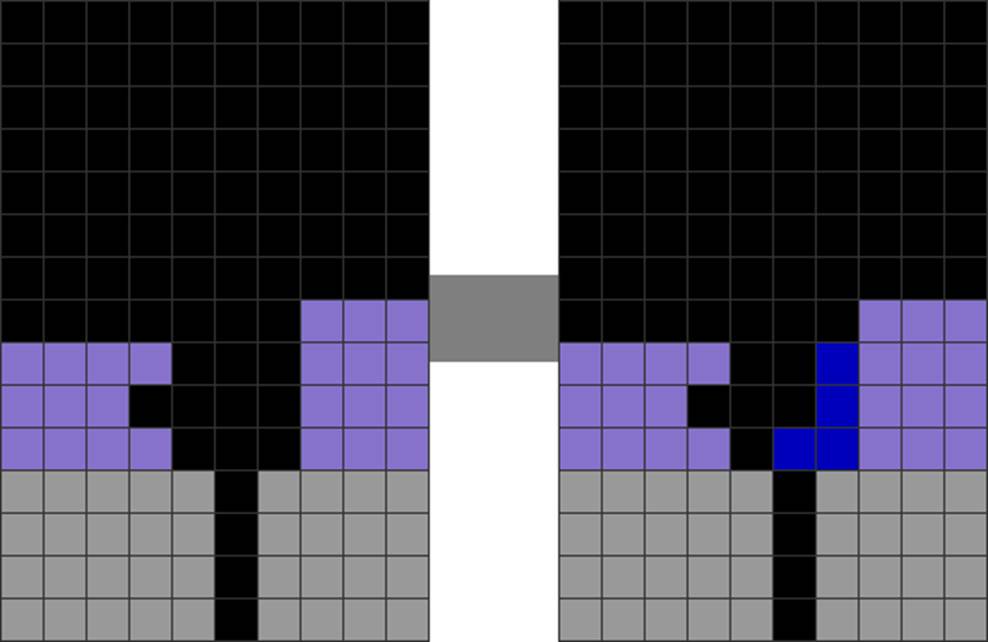
Starting field.
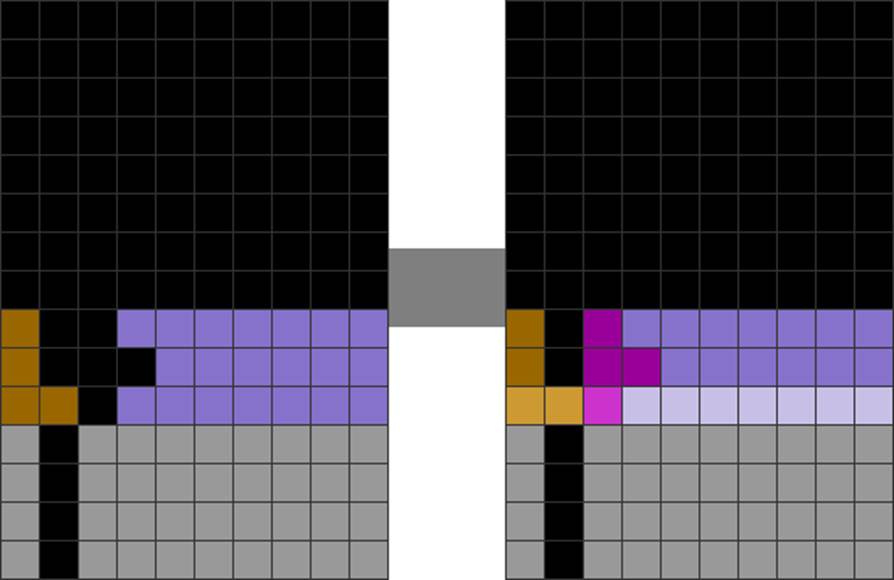
You put a vertical L this way.
3
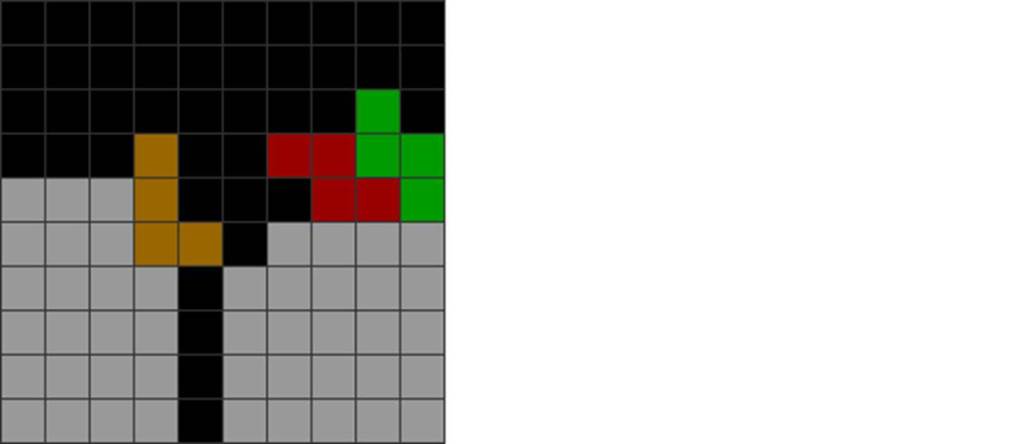
Then, make overhangs on the far right with S and Z, creating a Parapet T-spin.
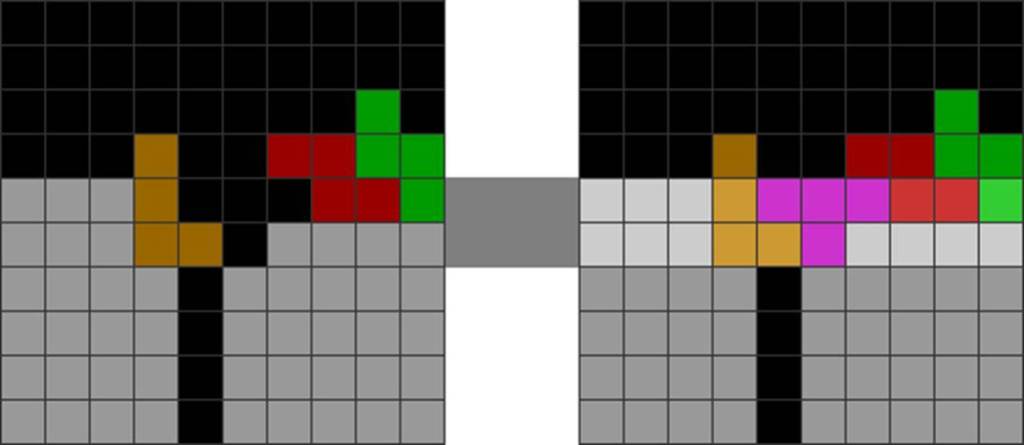
The player can rotate the T horizontally to take the T-spin double first if one needs to rush out more immediate garbage:
Diagram Set 3-3
1
2
The player takes the T-spin double by placing the T horizontally.
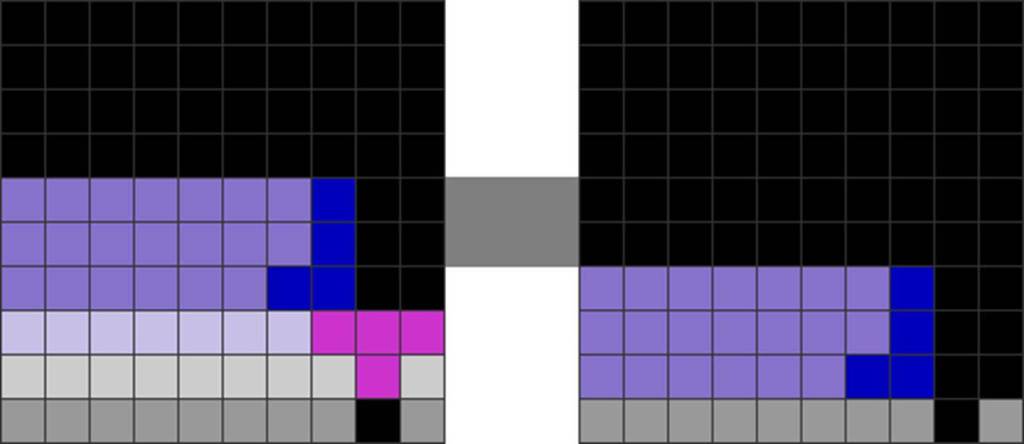
However, one can rotate the T vertically to deny the T-spin double and make a T-spin single instead. This levels out the field on both sides and lets one easily make another back-to-back T-spin double:
Diagram Set 3-4
1
2
The player takes the T-spin single by placing the T vertically.
After step 2, you can simply add an overhang to make a T-spin double.
Parapet Variant 1 versus Worse Alternatives
Why is Parapet such a fantastic method? Consider:
Diagram Set 3-5
1
2
A player gets this situation.
The player wastes a J soft drop to make the T-spin overhang.
3
4
The T-spin double line clear concludes.
This creates a pattern with bad continuations. There is no immediately visible T-spin opportunity.
Now, consider a Parapet, which provides better follow-ups:
Diagram Set 3-6
1
2
Same starting field as the last diagram set.
The player uses Parapet, which prevents a soft drop and leads to a better continuation. The J is placed first as a base.
3
4
The player spins the T into the cavity vertically to make a T-spin single.
The leftover pattern has the stacks left and right of the column being even. It is easy to make a second T-spin using an I overhang.
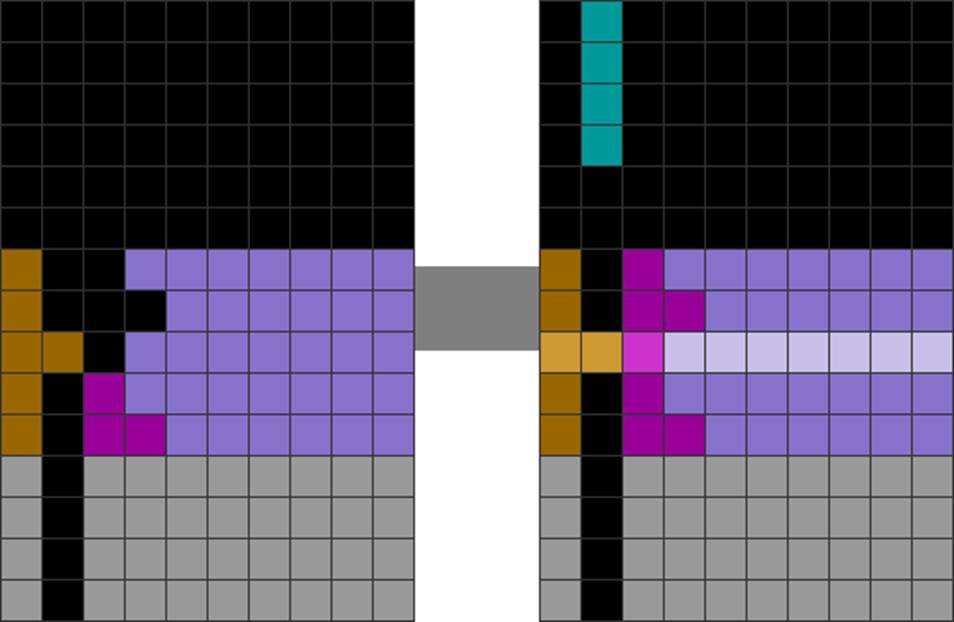
Parapets can be chained quickly, especially when using 8-1 and 1-8 stacking. This is called Parapet Railing. You deny the usual T-spin double to make a T-spin single instead. This evens out both sides of a field, letting you spam T-spin singles and Tetrises:
Diagram Set 3-7
1
2
The player makes a Parapet.
The player makes a T-spin single.
3
4
The player repeatedly stacks the L in the same place to recreate Parapet. He then repeats chaining Parapet to spam T-spin singles and Tetrises.
Stacking for Continuations
Parapets can be stacked for good continuations:
Diagram Set 3-8
1
2
A Parapet is constructed.
A player takes the T-spin double instead of the T-spin single.
3
Doing so allows an L to be stacked in the middle, leading to a string of T-spin doubles from LT stacking.
This specific suspended L-shaped suspension is called a Sky Prop, which I will cover later in this book.
The choice to make the first T-spin a single or double depends on the situation. Sometimes, one may take the T-spin double to send more garbage to take out an opponent or defend oneself. The T-spin single mostly leads to better follow-ups as it evens out both sides of the field.
Ultimately, whether to take either depends on prioritizing short-term or long-term gains.
Below is another continuation:
Diagram Set 3-9
1
2
Starting field.
The player makes a Parapet.
3
4
The player takes the T-spin double route. Doing this messes up the height differences between the 2 sides of the field, making it tricky to create another T-spin double.
The strange pattern in step 3 needs a vertical T and Z to even out both sides, so you can make another string of T-spin doubles.
This reduces efficiency.
2. Variant 2
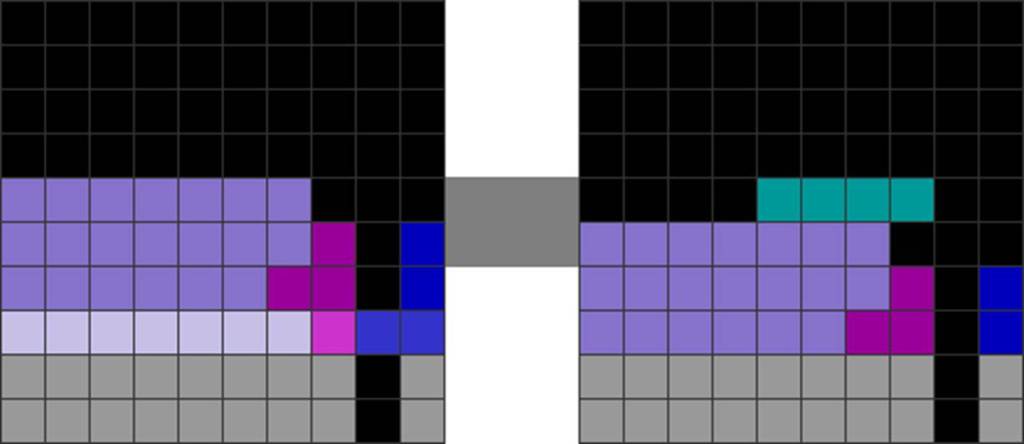
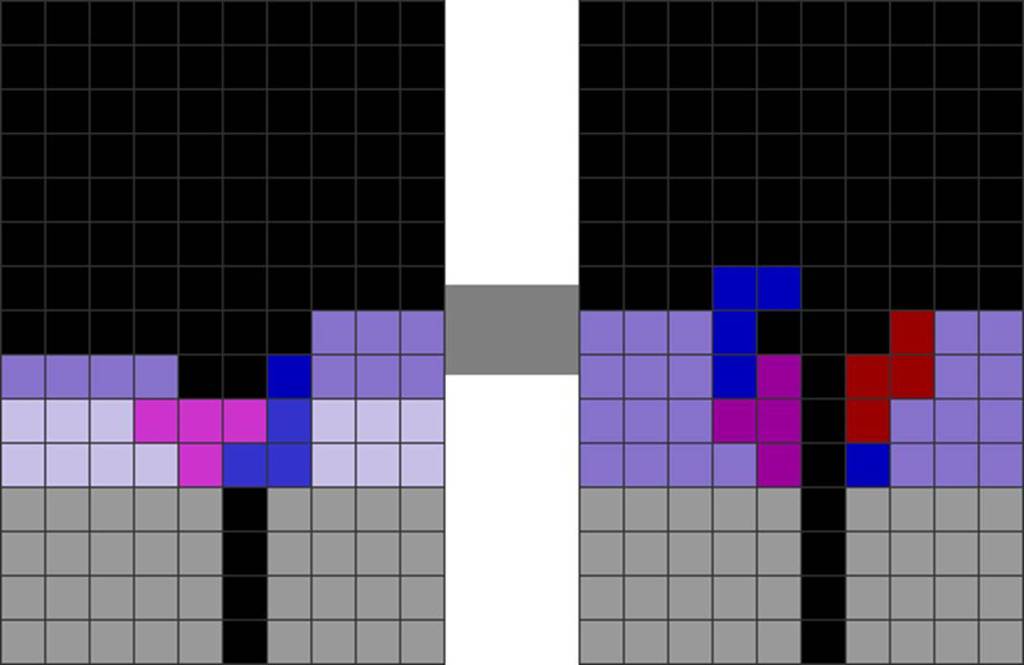
I discovered the variant below while training. This involves placing the L or J piece upside-down, vertically. It also allows one to chain it non-stop. You can spam T-spin singles and Tetrises:
Diagram Set 3-10
1
2
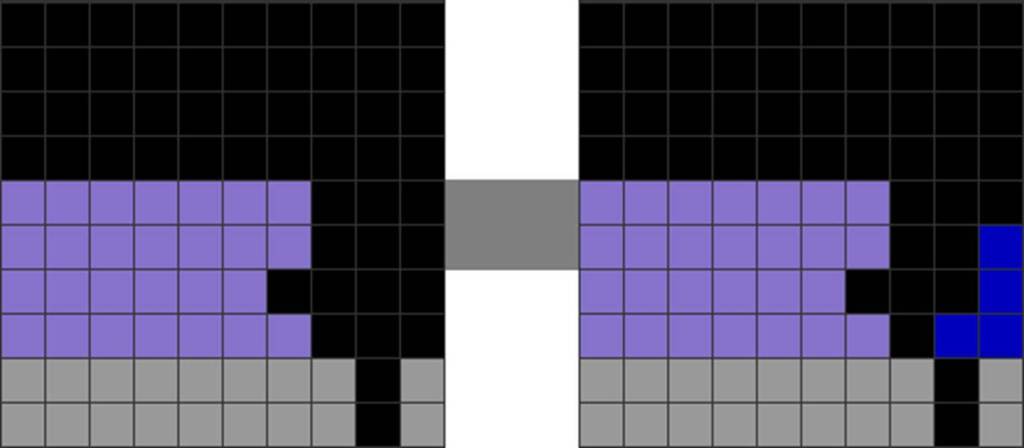
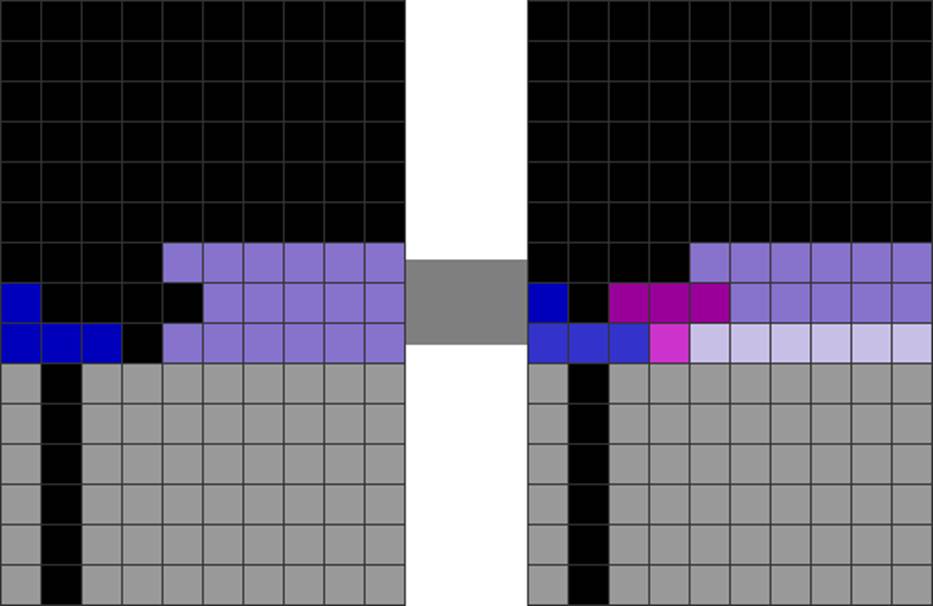
In step 2, the player makes an inverted J to create a new Parapet variant.
3
4
The player goes for the T-spin single.
The player repeats the pattern, creating an endless string of T-spin singles and Tetrises.
This upside-down Parapet variant is useful when the garbage hole is in columns 2 or 9 (during 8-1 stacking).
3. Variant 3
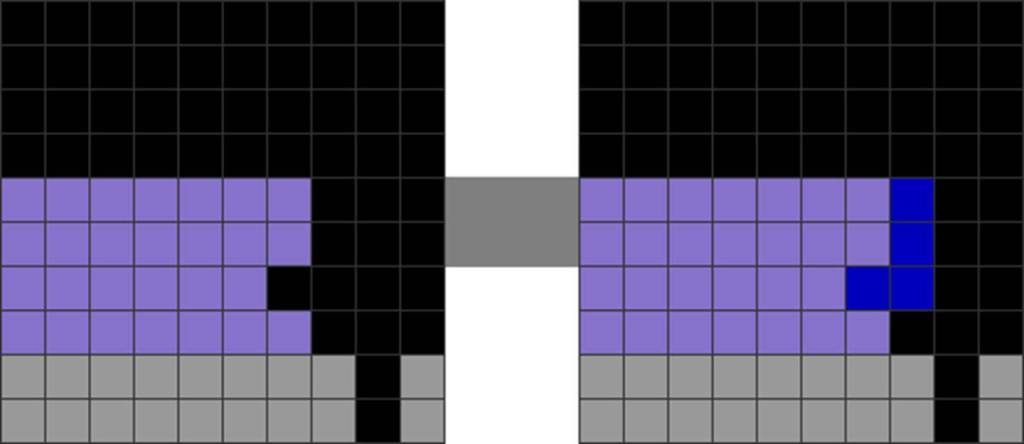
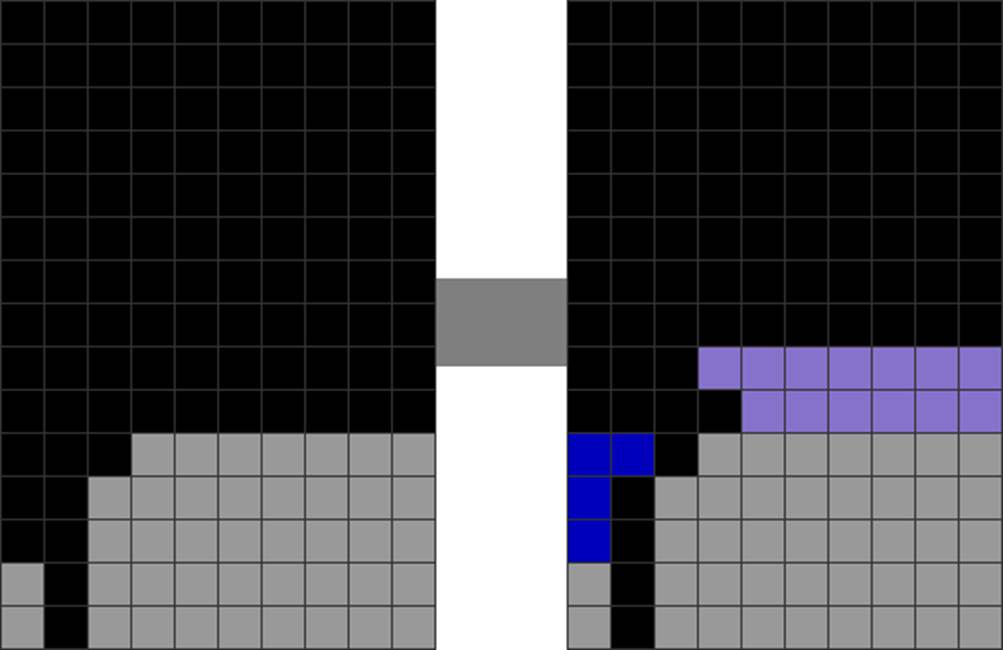
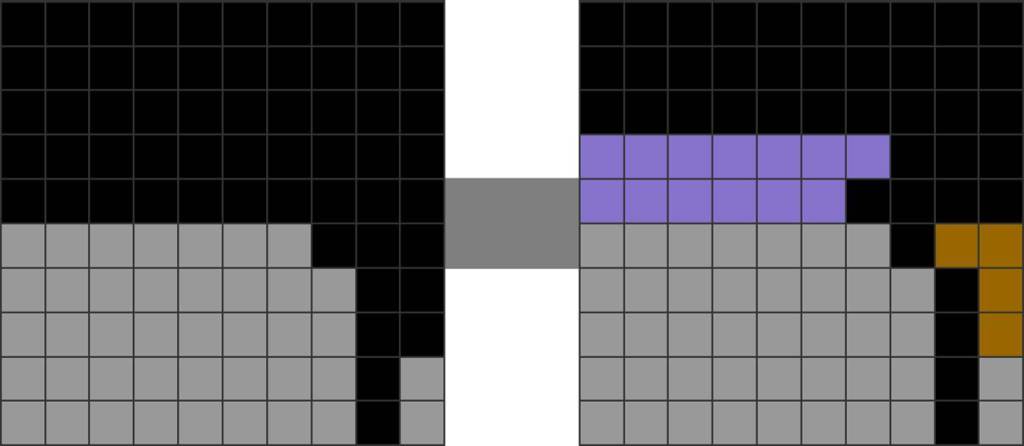
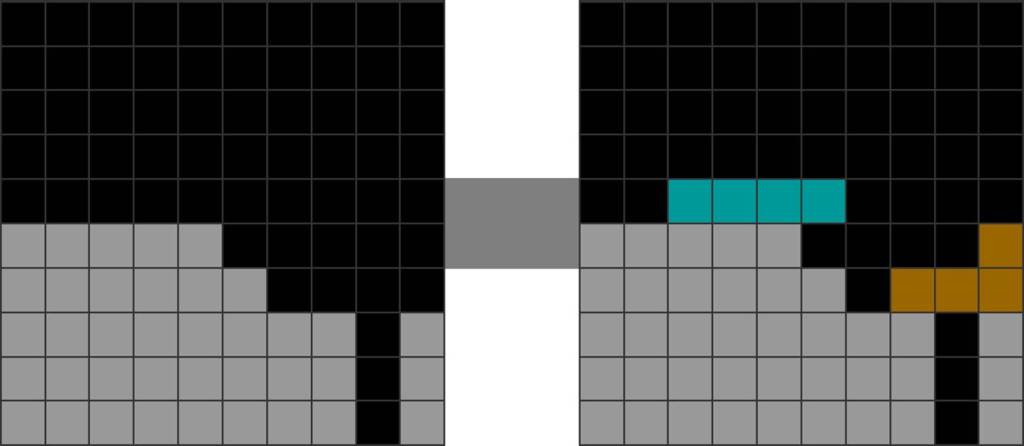
Parapet’s third variant involves a not-so-well-known yet highly practical horizontal L or J placement to create T-spin singles.
Diagram Set 3-11
1
2
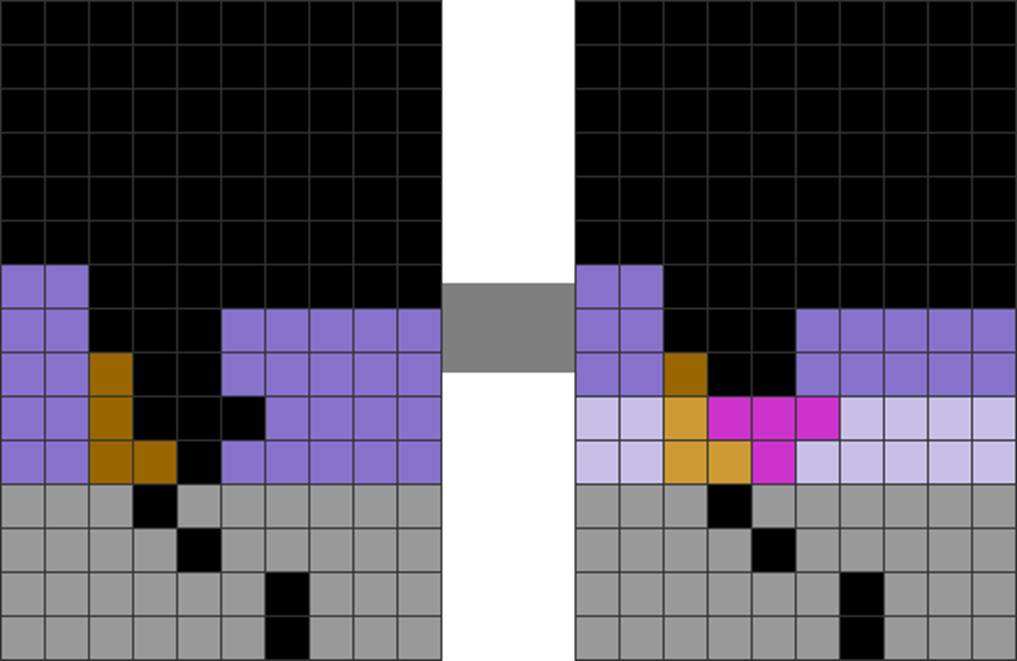
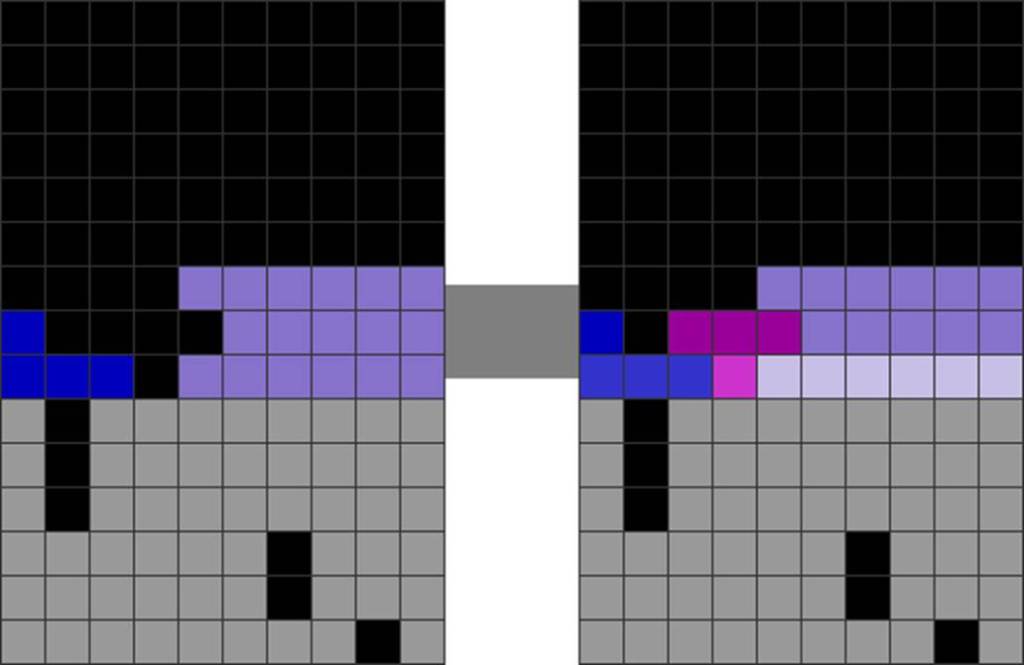
The player places the J piece horizontally to create a T-spin single donation.
The player completes a T-spin single.
3
The player can then follow up with a T-spin double.
However, with proper stacking, you can chain it with T-spin singles like this:
Diagram Set 3-12
1
2
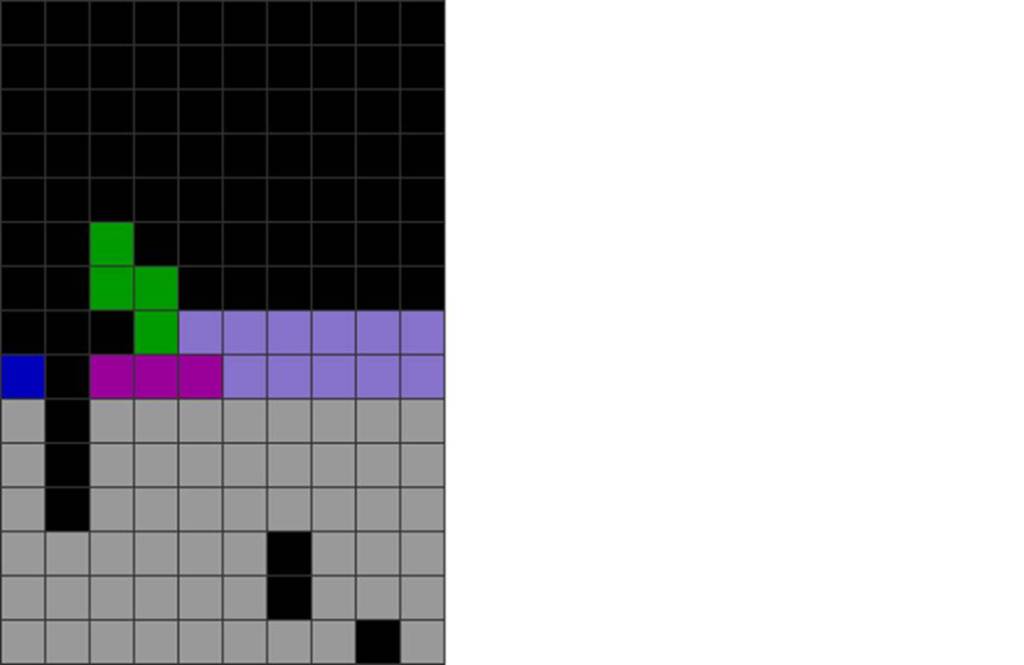
In step 1, the player does not use the T-spin double with an S overhang in the last diagram set’s step 3.
3
Instead, he places the J horizontally and makes another overhang. He repeats the pattern, placing horizontal Js.
You can then chain a series of T-spin singles and Tetrises non-stop with proper stacking.
Continuations and Follow-Ups
Parapet has a few important follow-ups.
1. 8-1 Stacking and Parapets
Parapets are best used by chaining them, as already explained in the earlier sections.
However, it is vital to emphasize that this is best done during 8-1 stacking.
Why? Because 8-1 stacking traditionally provides the lowest T-spin density, making it difficult to sustain overall firepower.
However, with Parapet chaining or railing, you bypass this limitation, letting you sustain high firepower with T-spin singles and Tetrises during 8-1 stacking.
The following diagrams show the ways to initiate this using the 3 Parapet variations:
Diagram Set 3-13
1
2
Spot this 8-1 stacking chance.
Use the J piece as a prop. This makes a T-spin via Parapet.
Diagram Set 3-14
1
2
Spot this 8-1 stacking mid-game chance.
Put L vertically this way for a T-spin single via Parapet.
Diagram Set 3-15
1
2
Spot this mid-game 8-1 stacking chance.
Put the L horizontally for a horizontal Parapet T-spin single.
2. Non-Linear Parapets
Parapets can be constructed out of order like this:
Diagram Set 3-16
1
2
Place an L piece first.
Then, complete the right side.
Many high-level players, like Kazu and Furea, can construct Parapets non-linearly to open up more T-spin options.
Honestly, I am intrigued by how many high-level TETR.IO players do not use this method commonly enough.
In a Nutshell
Parapets are one of the most important and easiest mid-game T-spin donations. Expert players, such as Furea or Kazu, are known to heavily forecast them mid-game. If there is a T-spin donation that I suggest mastering above all others, it is this.
Pros and Cons
Pros
It squeezes out a back-to-back T-spin single or double and Tetris, letting you spike.
Great continuations.
Outstanding flexibility: you can trade a T-spin single for a double to cancel garbage or spike the opponent.
Paralyzes opponents in Tetris versus Puyo matchups in Puyo Puyo Tetris.
 How to Tetris