Tetris is a game that takes minutes to learn, years to master, and, ironically, a lifetime to play like a child.
And it all begins with the rectangular field and 7 unique pieces that make up the game.
That is all! It is remarkably simple. It is amazing how just a few components in the last paragraph can combine into millions of unpredictable combinations.
I will now teach you how to grasp the game within minutes.
The Rules of The Game
Tetris has many mechanisms to note before playing.
1. The Tetrominoes
This game has 7 basic Tetrominoes (Mino or Piece). Each tetromino is made of 4 blocks and has unique characteristics.
Tetris gameplay involves placing these 7 pieces on the field to make shapes and setups.
Here are the 7 pieces:
| Diagram Set 1-1 |
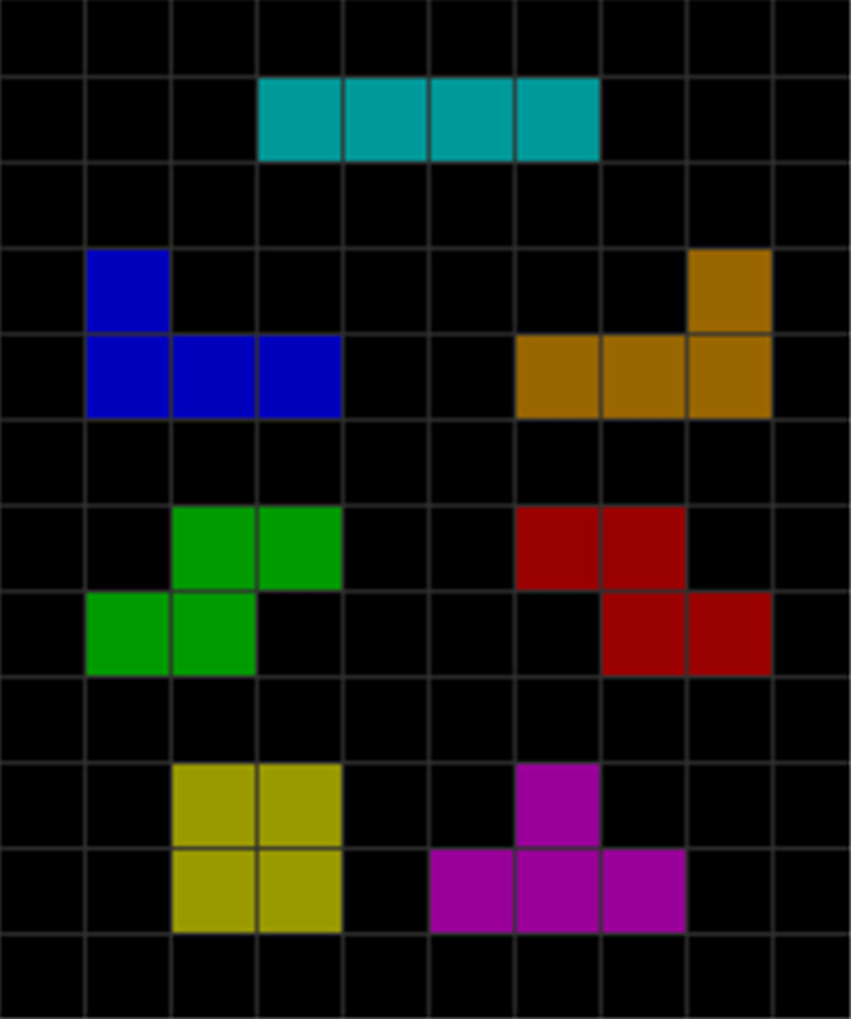
| The above shows the I (cyan piece), L (orange piece), J (blue piece), S (green piece), Z (red piece), O (yellow piece), and T (purple piece) pieces. |
2. The Basic Field
Tetris involves a 10×20 block field, 10 blocks wide and 20 blocks high:
| Diagram Set 1-2 |

| Each block in this 10×20 field can be empty or filled. Here, the black blocks typically mean they are empty. |
They can be filled with the 7 minos: L, J, O, I, T, S, and Z.
Whenever an entire row (a horizontal line of 10 filled blocks) has been filled with blocks, it will vanish, and the stack on top will move down by one row. This disappearing mechanism is known as a line clear.
You top out and lose the game when a new piece tries to appear but cannot fully fit in the playfield because the spawn area is blocked:
| Diagram Set 1-3 | |
| A | |
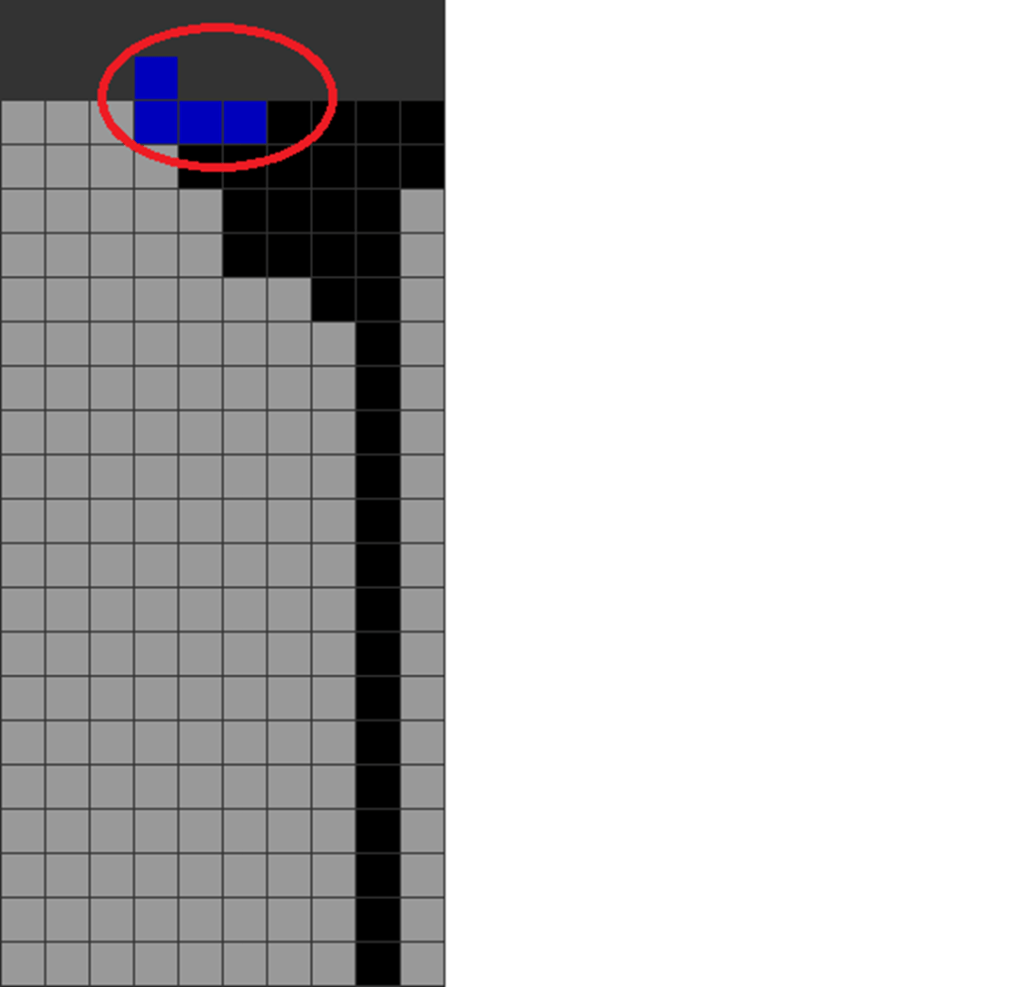
| The red-circled area marks the spawn zone (around row 20). If it is blocked, the next piece cannot spawn, and you top out (lose). |
3. Stacking
Stacking is placing your pieces to construct many shapes in a Tetris field.
To properly stack your field, one vital concept is needed: jaggedness.
Here is an illustration of its importance:
| Diagram Set 1-4 | |
| 1 | 2 |
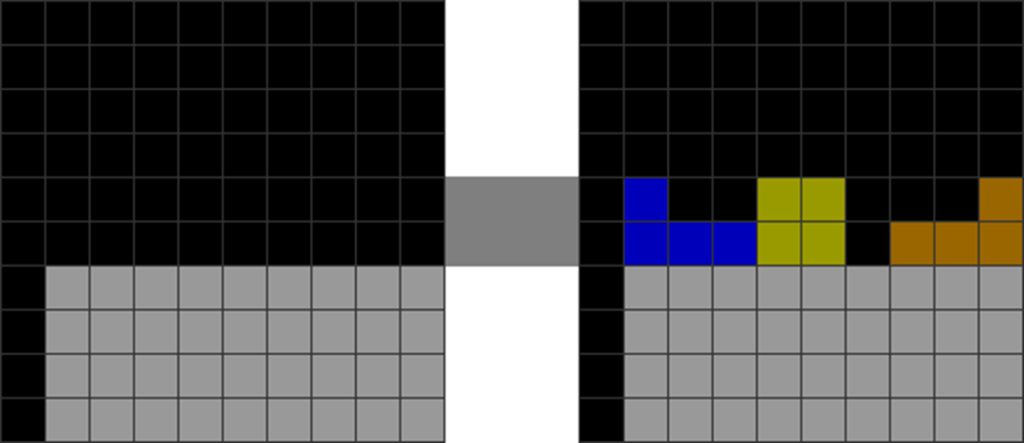
| The field is not jagged (flat). This lets you stack pieces easily. The horizontal L, J, and O pieces do not cover holes. |
| Diagram Set 1-5 | |
| 1 | 2 |
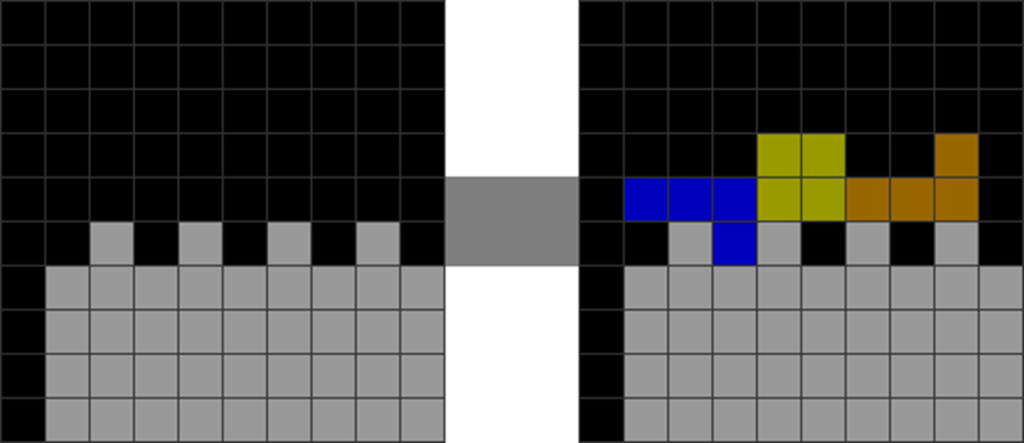
| The field is jagged. This causes horizontal L, J, and O to have no places to be put cleanly. They cover holes. |
The more jagged the field is, the more challenging it is to stack properly and cleanly.
4. Previews and the Hold Function
The following diagram shows a standard Tetris field with the hold and preview columns beside it.
In Modern Tetris, you have a preview in the upper right corner of the 10×20 field (in the red circle here):
| Diagram Set 1-6 |
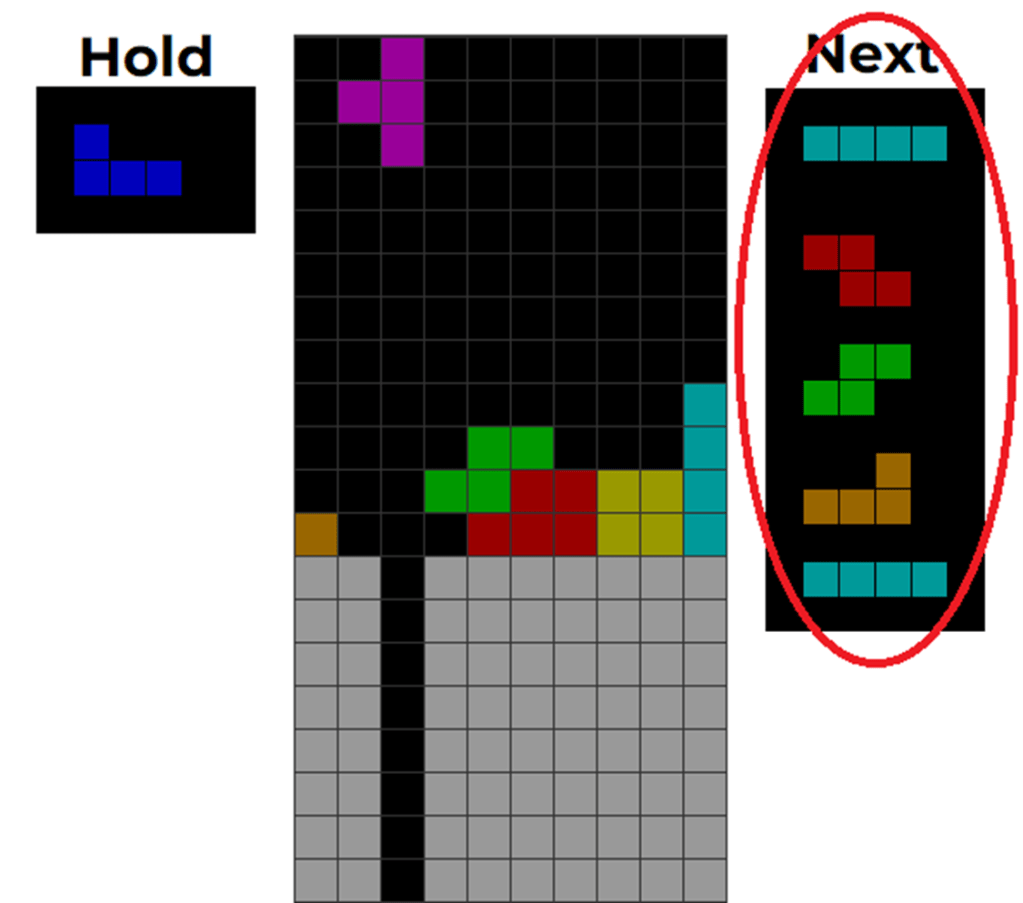
| The red circle shows the next incoming pieces. |
In some games, this preview may be at the top. This preview shows the incoming pieces in chronological order: I, Z, S, L, and I. The number of previews varies from 1 to 6.
| Diagram Set 1-7 |
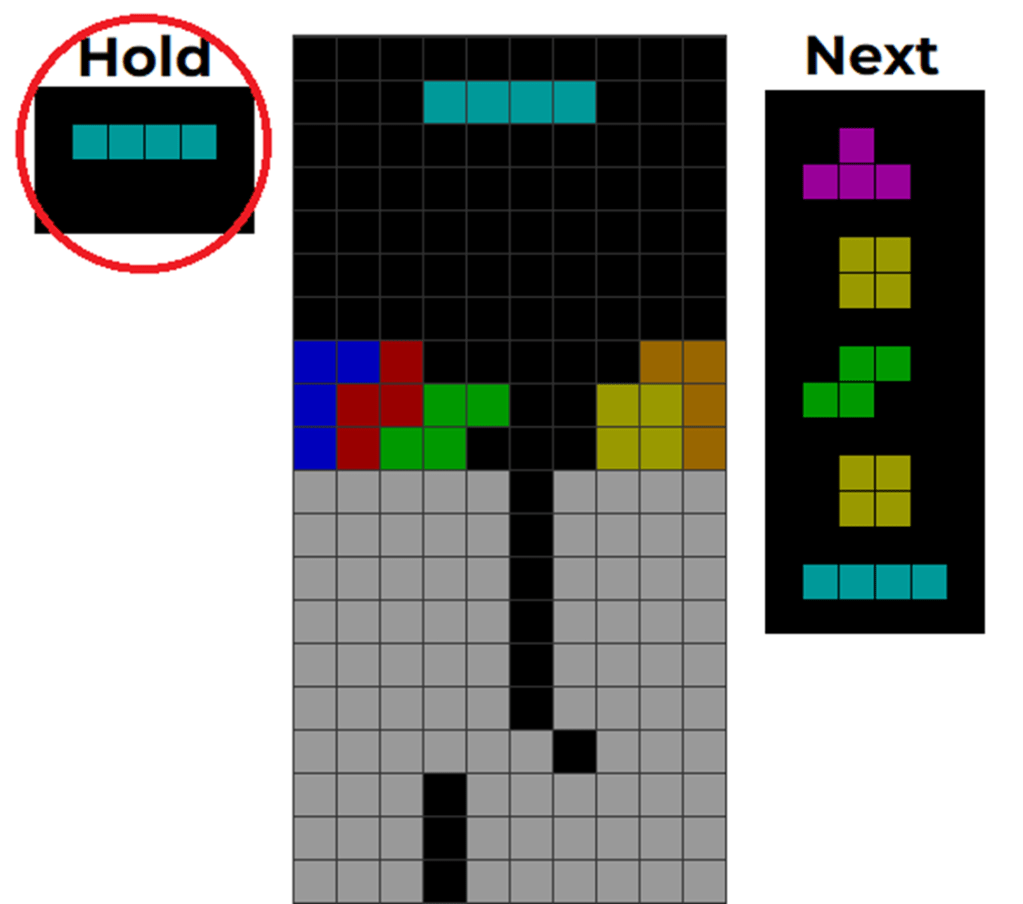
| The red circle shows the held I piece. |
The hold function on the left lets you save a piece to place later. Pressing the “hold” button once stores the piece. Pressing it again later summons the piece.
5. The Falling and Ghost Pieces
In modern Tetris games, the falling piece spawns in the red-circled area of the field:
| Diagram Set 1-8 |
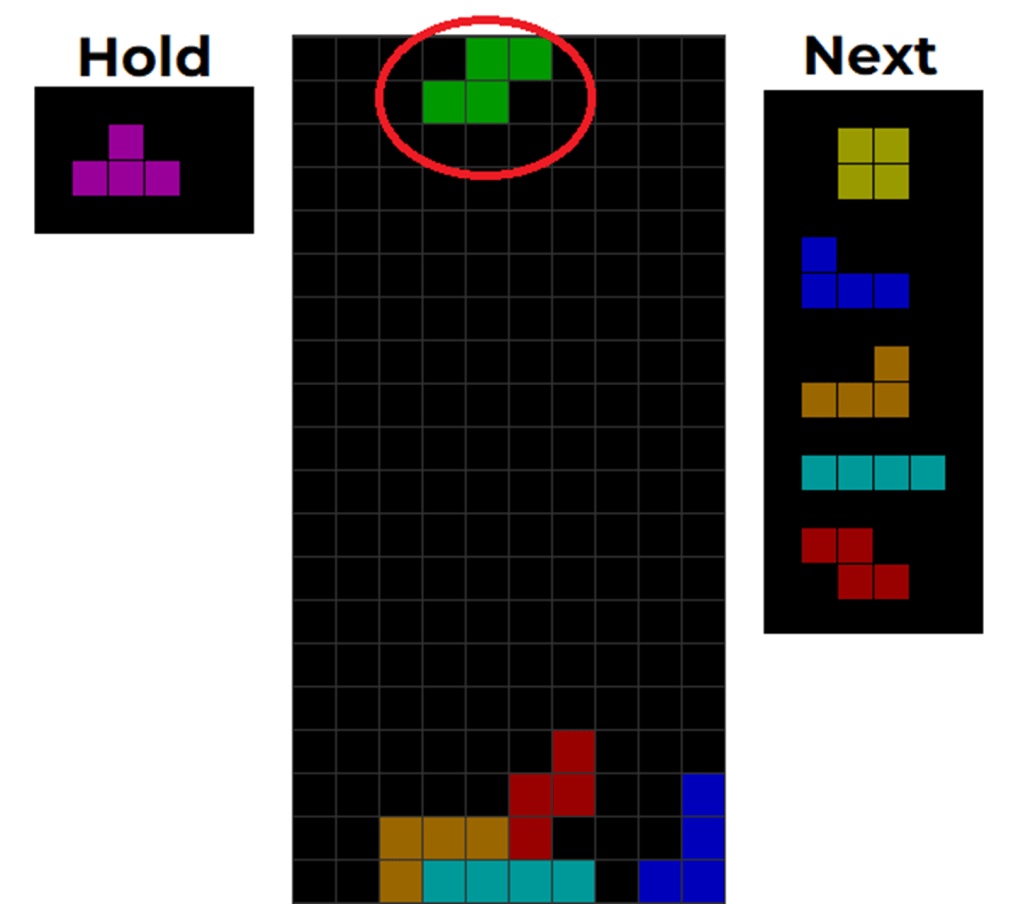
| The red circle shows a newly spawned falling S piece. |
After it spawns, gravity will pull it down. Pieces from the preview or hold will appear chronologically as the falling piece.
You aim to control the falling pieces and stack them in the field.
The ghost piece is the outline of an unplaced mino:
| Diagram Set 1-9 |
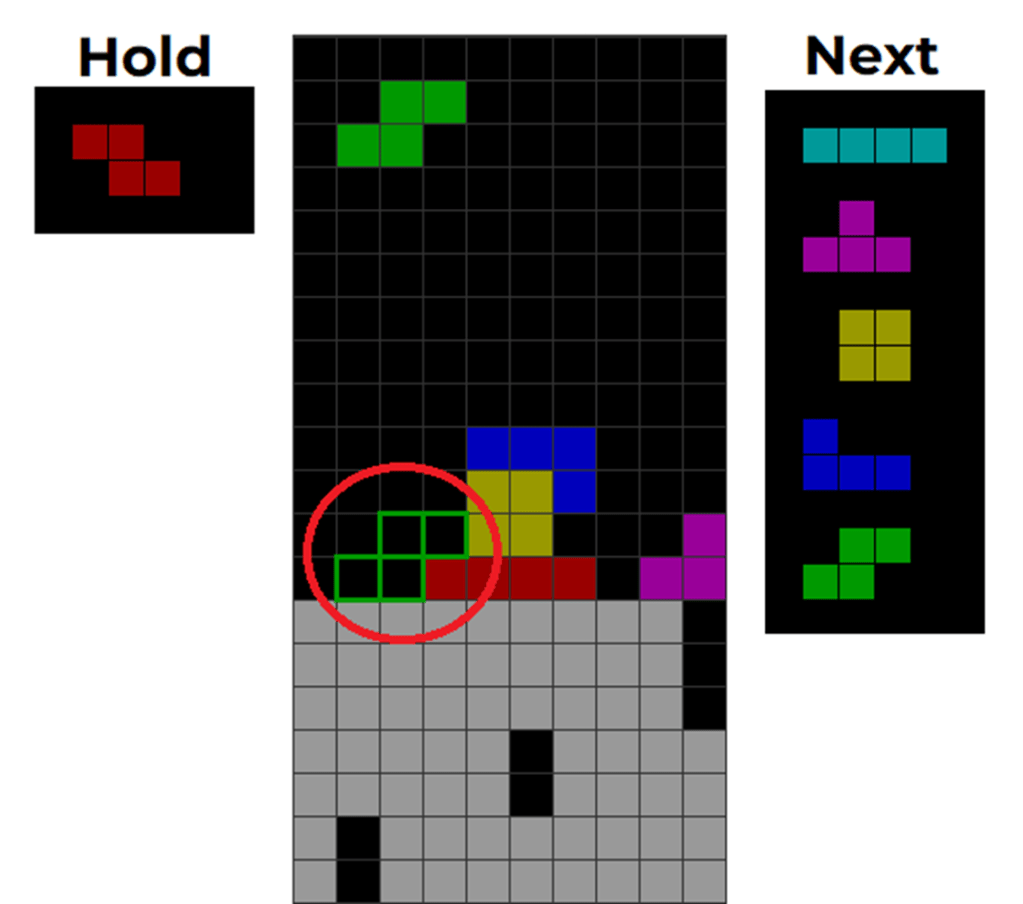
| The ghost piece (in the red circle) shows the outline of a piece before you place it, allowing you to place pieces more accurately. |
6. The 7-Piece (or 7-Bag) Randomizer
In modern Tetris games, there is a 7-piece (or 7-bag) randomizer. This means that for every 7 pieces, each tetromino will spawn precisely once.
Every 7 pieces (a complete bag)has the 7 unique minos. However, the order of the 7 will be jumbled randomly.
You can get S, Z, T, O, I, L, and J in the first bag and Z, S, J, I, T, O, and L in the second.
This reduces randomness, improving strategic planning.
However, Classic Tetris lacks a 7-piece randomizer.
7. Line Clear Types and T-Spins
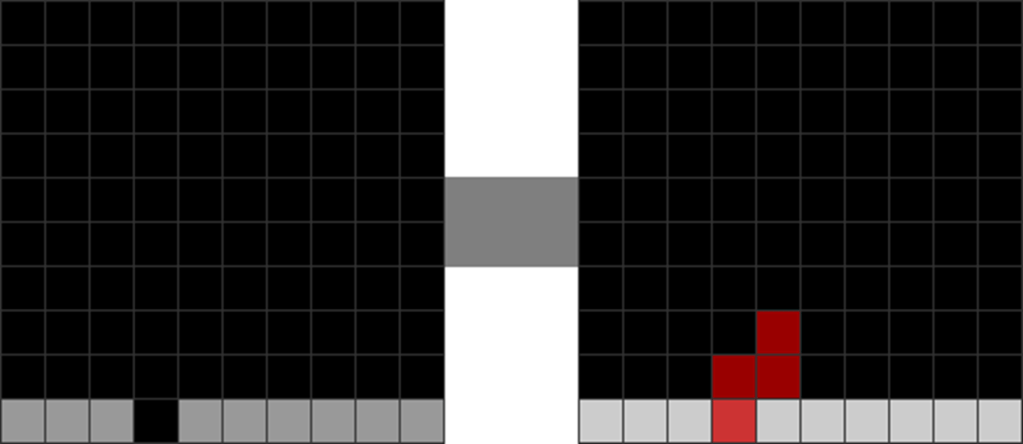
A line clear occurs when an entire row is filled with blocks, thus making it disappear:
Singles:
| Diagram Set 1-10 | |
| 1 | 2 |
| 3 |
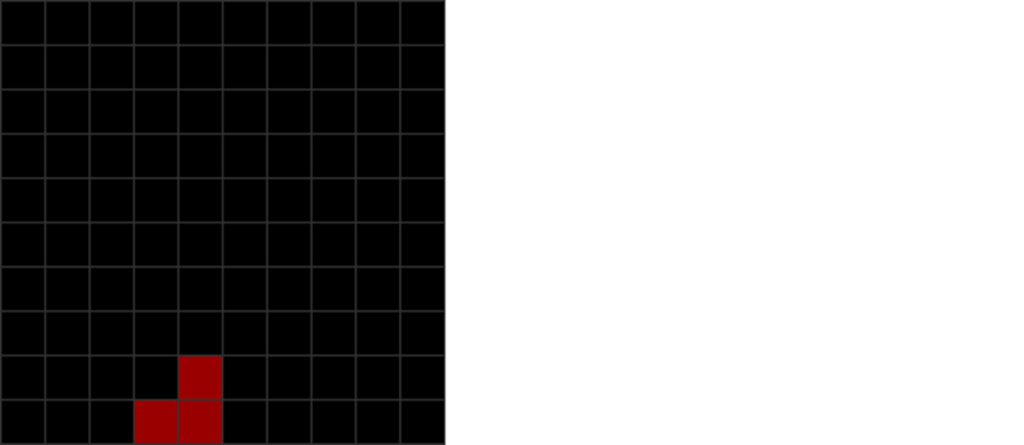
| A Z piece clears a single line in step 2, leaving only red blocks. A single line clear is called a single. |
Doubles and Triples:
Doubles and triples can be generalized from single line clears. They clear 2 and 3 lines respectively.
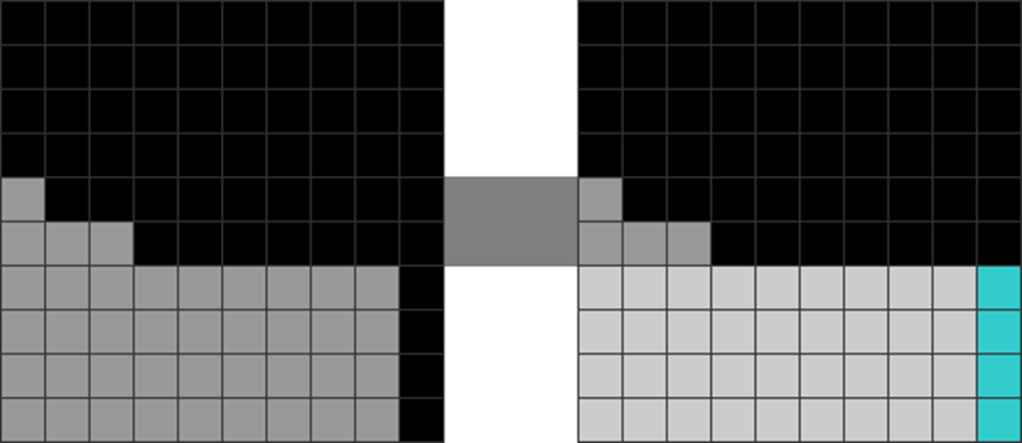
Quads/Tetrises:
| Diagram Set 1-11 | |
| 1 | 2 |
| 3 |
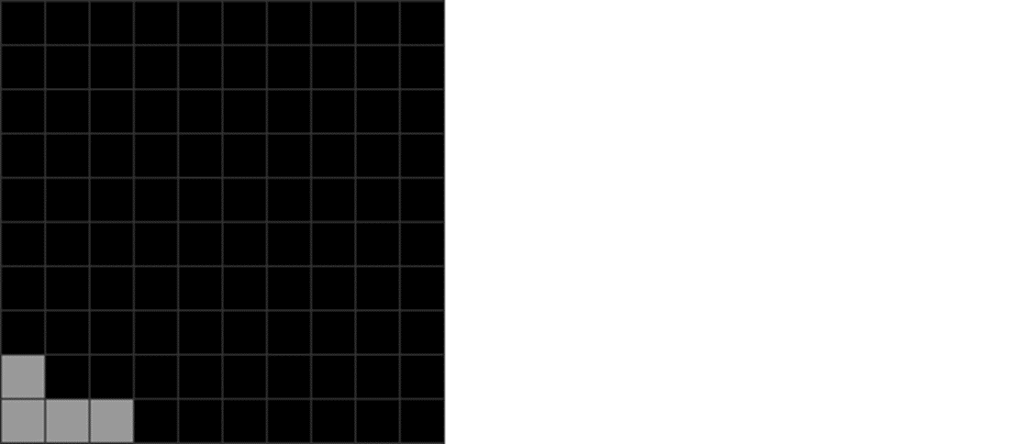
| Whenever 4 lines disappear at once, especially with an I piece in step 2, this is called a Tetris or quad. |
T-Spins:
Whenever 1, 2, or 3 lines disappear because of a rotated T-piece line clear, it is called a T-spin line clear:
| Diagram Set 1-12 | |
| 1 | 2 |
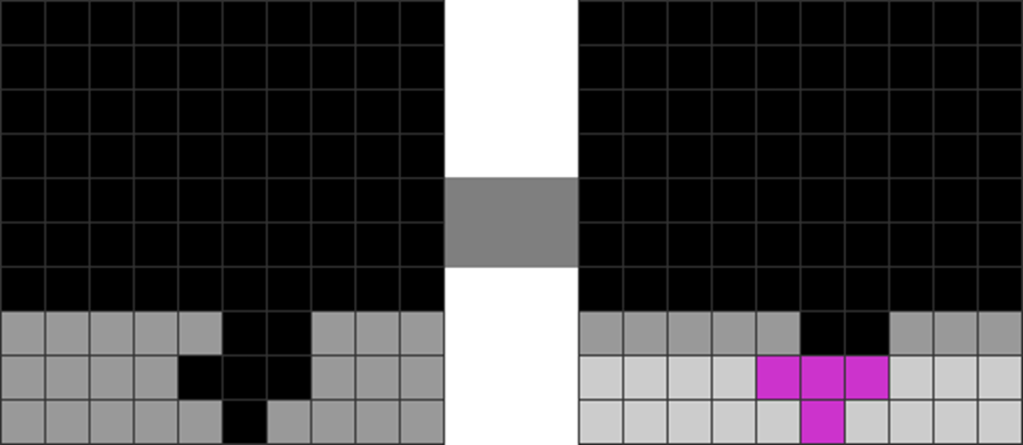
| This T-shaped cavity is a T-spin setup. | The player inserts a T piece inside the cavity, clearing 2 lines. |
| 3 |
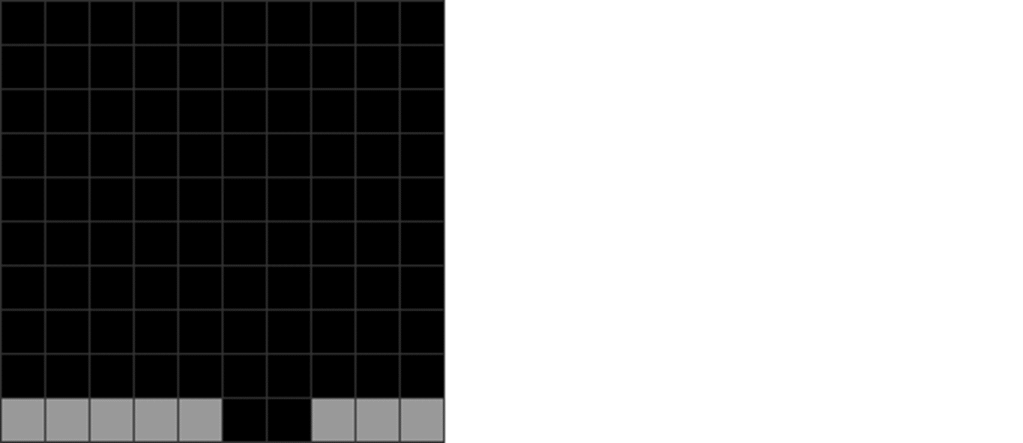
| You are left with this field. |
Because the above T-spin clears 2 lines, it is called a T-spin double. T-spin minis, singles, and triples exist, clearing 1, 1, and 3 lines, respectively.
T-spins are vital because they are powerful offensive techniques that send significant garbage lines to your opponent.
In official Tetris games, line clears incur a significant line clear delay. This is the time it takes for a line to vanish upon a line clear.
8. Garbage and Downstacking
Garbage is an element added to modern Tetris games. It often appears in 1 vs 1 or other multiplayer modes. It is marked by gray-colored blocks rising from the bottom (red circle):
| Diagram Set 1-13 |
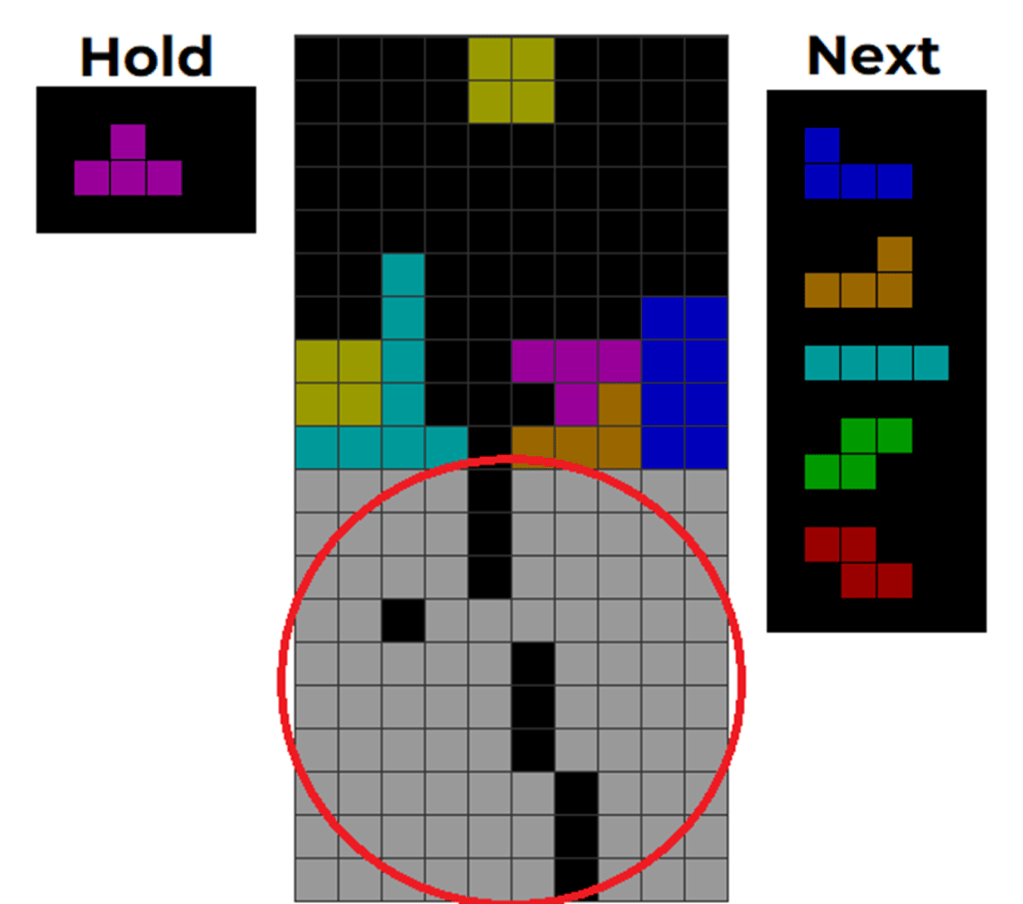
| The red circle shows the received garbage lines (in gray blocks). |
You can send garbage to the opponent whenever you do a double, triple, quad (Tetris), T-spin line clear, or combo.
Whenever you consecutively line clear, you may send extra damage, called combos, to the opponent. This means the line clears are joined and connected one line clear after another without breaking.
However, if you do more than one consecutive T-spin or Tetris, you incur a back-to-back bonus (BtB or B2B). This adds an extra line of garbage to the next T-spin or Tetris until the streak is broken by a non-T-spin or non-Tetris line clear.
Downstacking is the ability of a player to dig down through colored or garbage lines to the bottom as far as possible:
| Diagram Set 1-14 | |
| 1 | 2 |
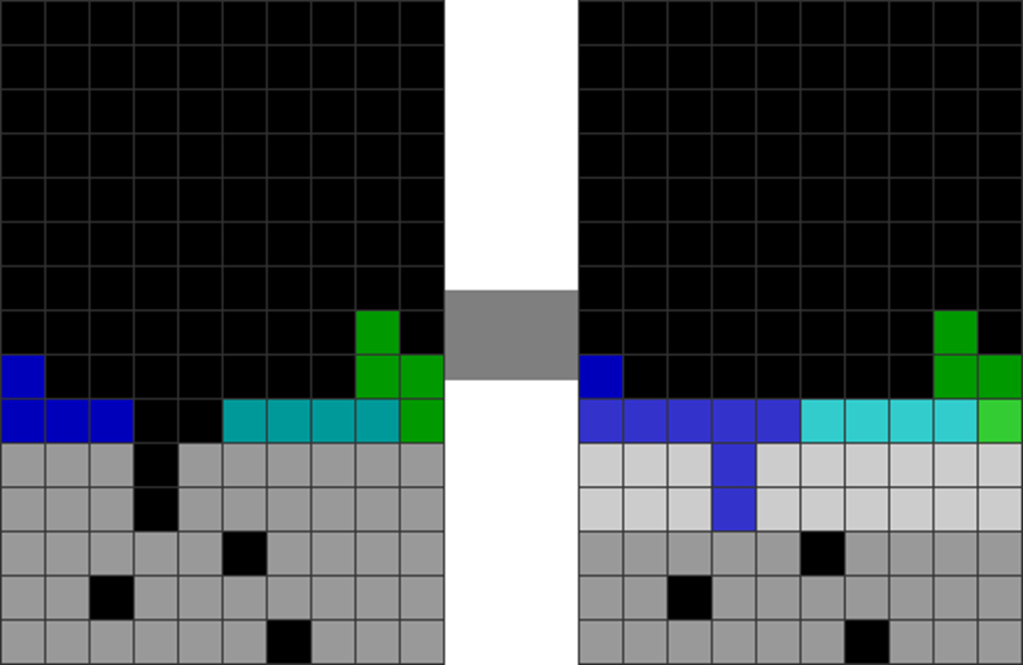
| This shows a starting field with a J-like cavity in the middle. | The player inserts a J piece into the cavity, triggering a triple line clear. |
| 3 | 4 |
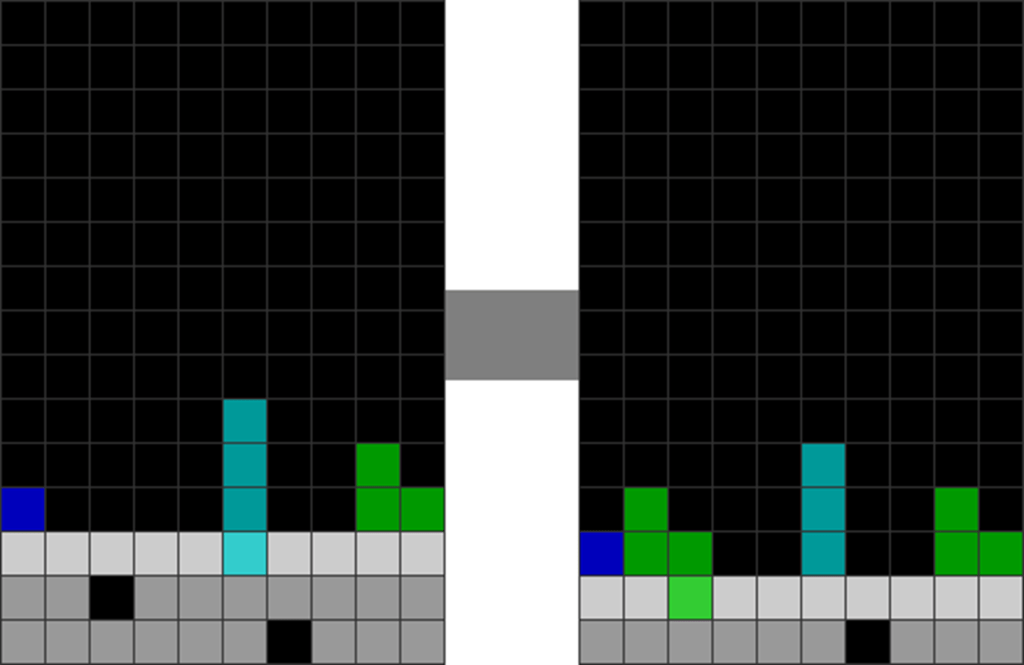
| The player continues the downstack sequence with an I piece to create a single line clear. | He inserts an S into the next garbage hole to create a single line clear. This exposes the hole in column 7. |
This is a vital multiplayer skill, as getting down is a defensive approach that negates an opponent’s garbage.
Locked and Loaded!
Great! Now that I have introduced you to the rules of Tetris, you are all set to play the game!
However, before you open fire on your opponents, there are various kinds of Tetris battlefields.
That is right! Tetris has dozens of versions. Which battlefield suits you best? Please let me help you choose.
The Treasure Trove of Tetris Games
The sheer number of Tetris games released over the decades can be overwhelming for most players. Here are some recent ones:
| Diagram Set 1-15 |
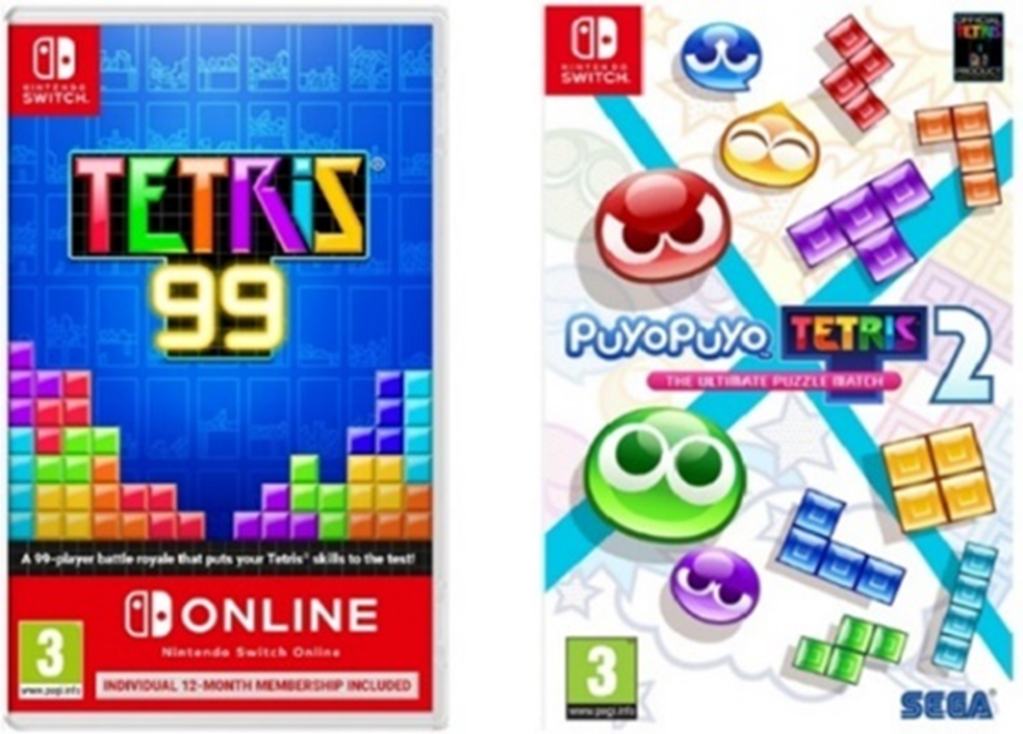
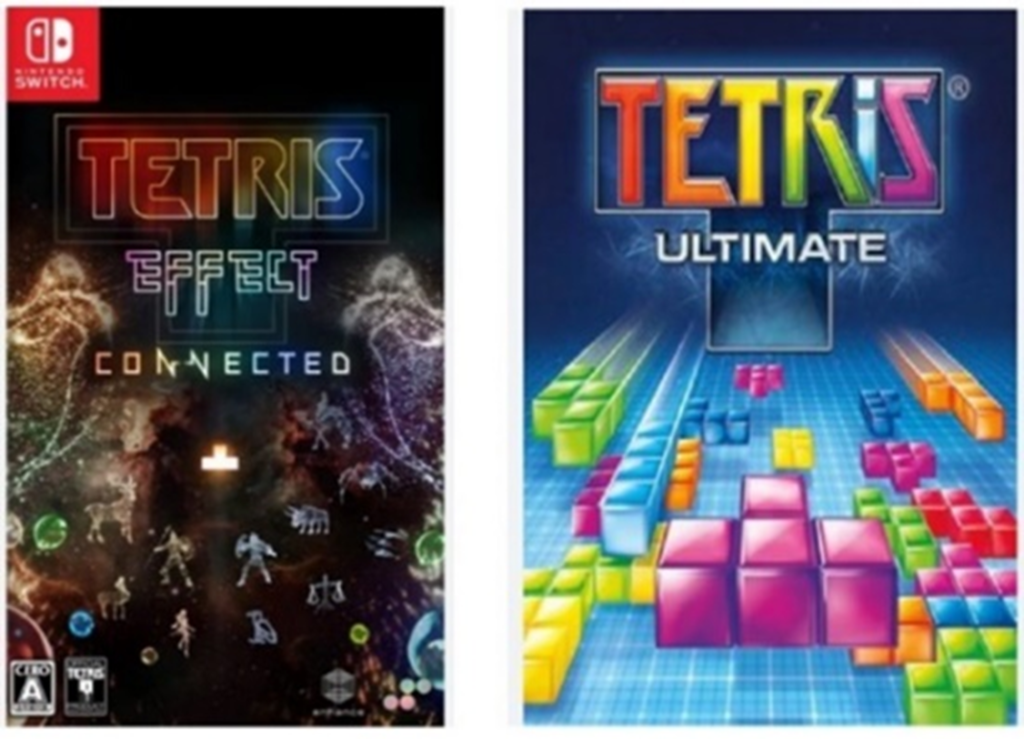
| Various official Tetris games: Tetris 99, Puyo Puyo Tetris 2, Tetris Effect: Connected, and Tetris Ultimate, respectively. |
However, I have streamlined the list to the most essential, relevant, and popular Tetris versions played today (accurate as of 2026).
Tetris games fall into 2 categories: official and non-official.
1) Official Tetris Games
Official ones are those licensed directly by the Tetris company. They often adhere to strict standardizations. Hence, by knowing how to play one official Tetris game, you can quickly adapt to another within minutes.
Here are some of the most popular ones:
i. Classic NES Tetris
This is the version of Tetris most commonly used in contemporary Classic Tetris tournaments.
| Diagram Set 1-16 |
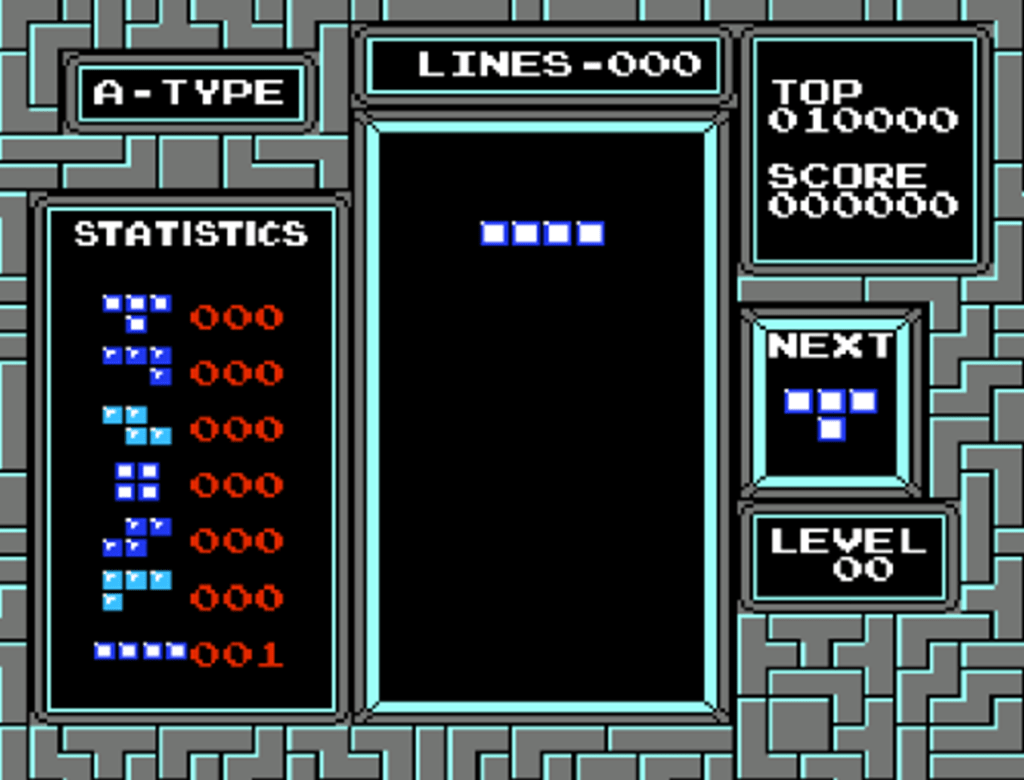
| Classic NES Tetris. |
Classic Tetris is all about simple stacking to spam Tetrises (with the main Tetris hole being in column 10) and survival against gravity.
Its goal is to get the highest score before one tops out.
It has no modern T-spin mechanisms, a 7-piece randomizer, a hold function, a hard drop, or garbage lines.
This version of Tetris focuses largely on good stacking and survival, with little room for error when gravity gets high.
ii. Puyo Puyo Tetris
Puyo Puyo Tetris is a fusion between Tetris and the iconic Japanese puzzle game, Puyo Puyo.
| Diagram Set 1-17 |
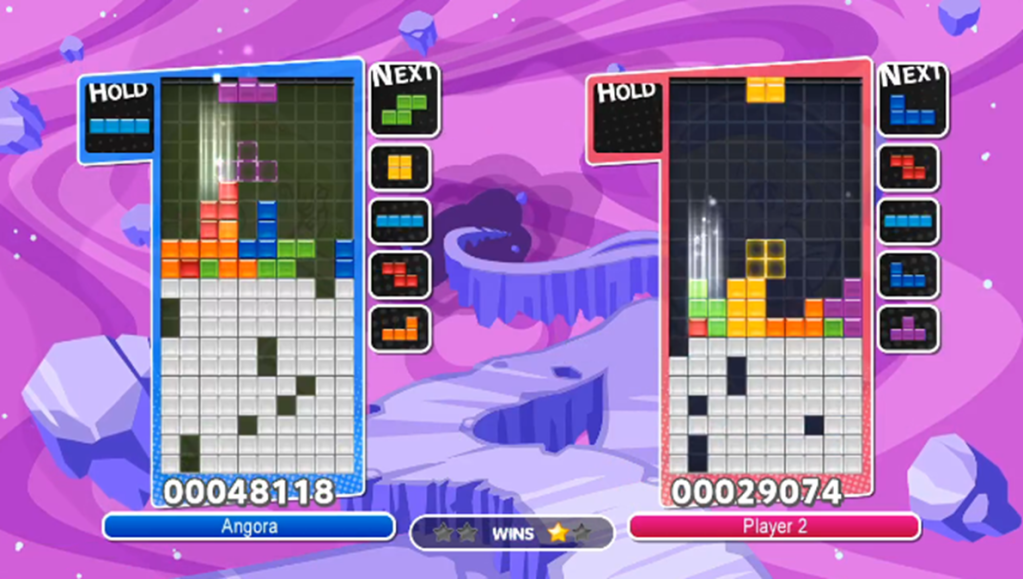
| Puyo Puyo Tetris 1’s 1 vs 1 mode. That is me battling Zetris, an invincible AI bot that no one can beat. |
It has 3 incarnations: Puyo Puyo Tetris 1, Puyo Puyo Tetris 2, and Puyo Puyo Tetris 2S.
It features various Tetris single-player and multiplayer modes.
Most people play it for its 1 vs 1 mode, where 2 Tetris players battle each other using modern Tetris mechanics. A Tetris player can also battle a Puyo player. 2 Puyo Puyo players can also battle each other.
This is one of the most competitive and hardcore official Tetris games, attracting many high-level players from East Asia and the West.
iii. Tetris Effect: Connected
This game was originally released as Tetris Effect, which was a single-player mode with many puzzles and challenges for players to compete in.
| Diagram Set 1-18 |
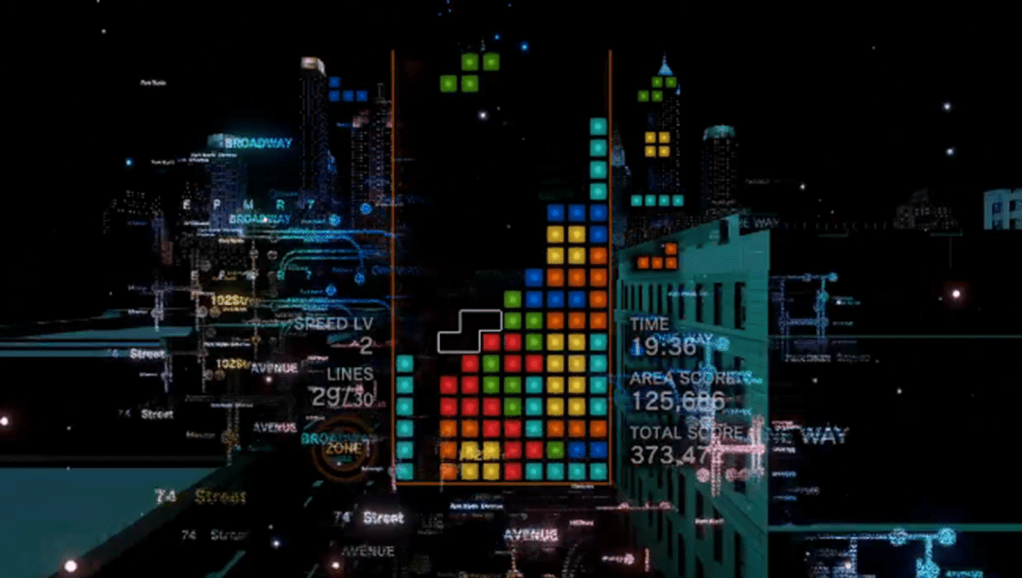
| Tetris Effect’s Journey Mode. That was me during one of my top 10 worldwide runs. |
However, it expanded to include multiplayer modes, becoming Tetris Effect: Connected.
Just like Puyo Puyo Tetris, this game features 1 vs 1 modes that attract many hardcore high-level players.
Its main multiplayer addition is the Zone mechanic, which further spices up the game.
iv. Tetris 99
Tetris 99 is a multiplayer battle royale, where 99 players duke it out. Only 1 player remains and wins the match.
| Diagram Set 1-19 |
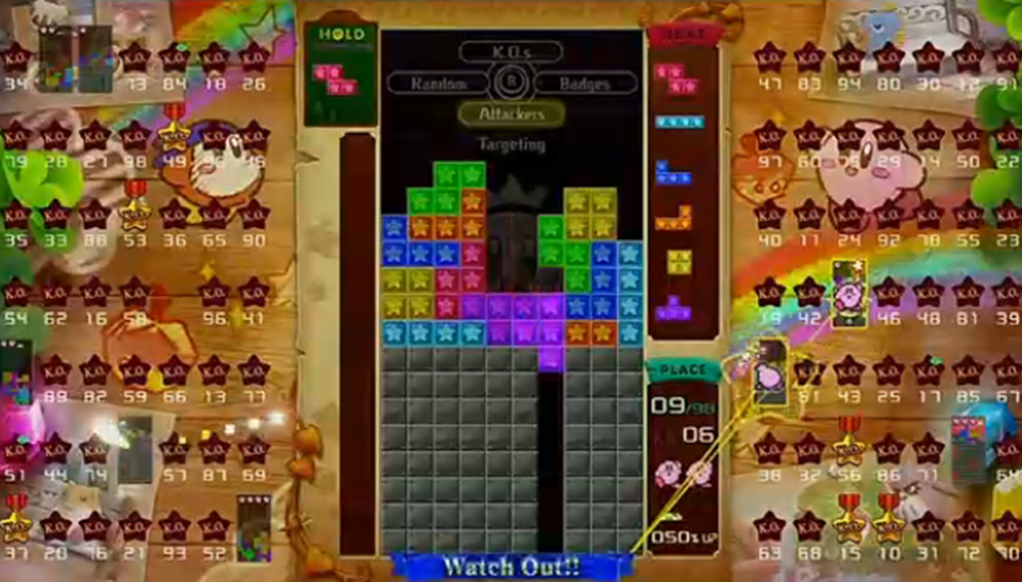
| Tetris 99. That was me in a match in 2020, when I was rather new. |
However, it has added Team Battle mode, where 99 players can form 4 teams to battle each other.
It features casual-friendly mechanisms, such as clean garbage and a generous time before one receives garbage.
Tetris 99 is likely the most popular modern Tetris game, because it appeals to casual players and is free to play on the Nintendo Switch. It is my favorite and main game.
v. Tetris Forever
Tetris Forever is a historical documentary that allows one to learn about Tetris’ history and comes packaged with various earlier versions of Tetris.
| Diagram Set 1-20 |
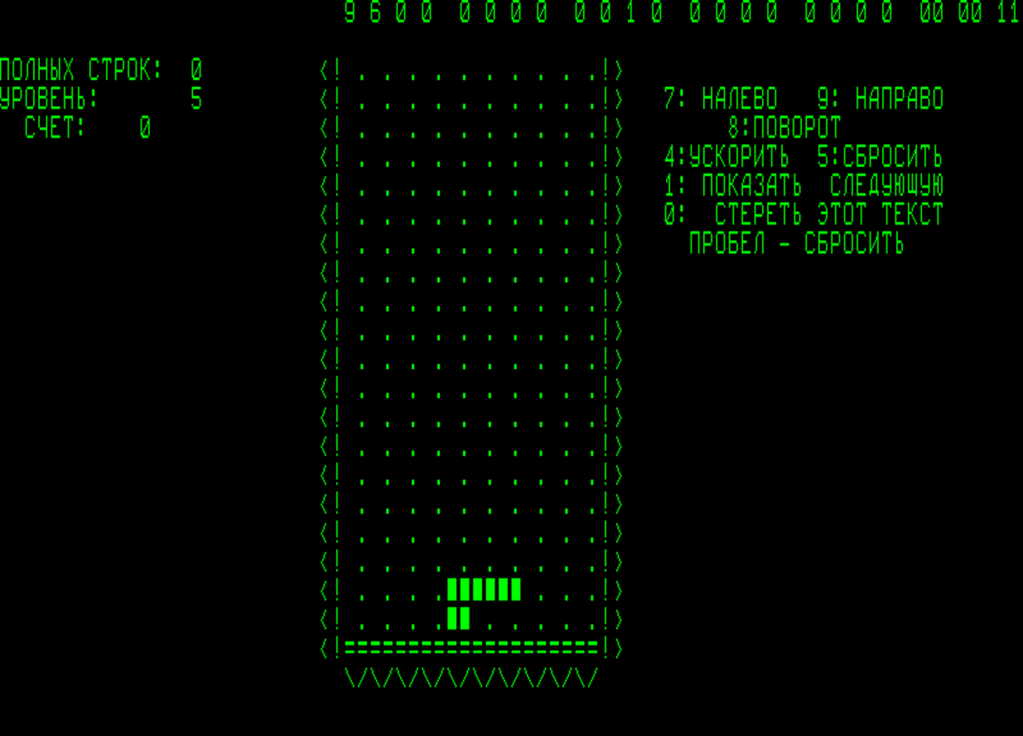
| Tetris: Electronika 60, an old Tetris variant embedded in Tetris Forever. |
It is not played competitively but is mostly played for educational purposes.
vi. Tetris The Grand Master 4
Tetris The Grand Master 4 (TGM4) was originally planned as a Japanese arcade game, but it was ultimately released for PC on Steam in 2025.
| Diagram Set 1-21 |
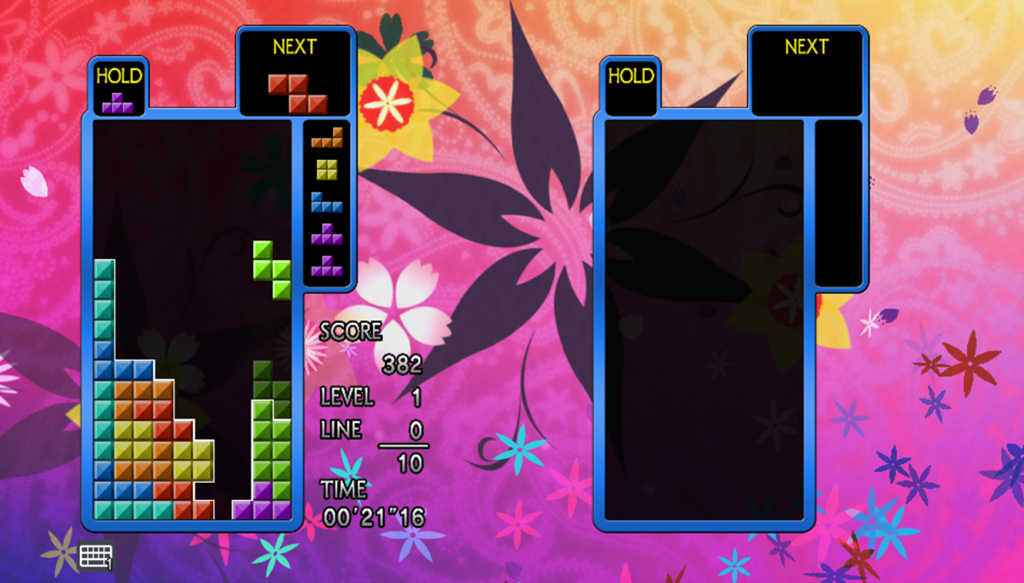
| Tetris The Grand Master 4. That was me on the left screen. |
It largely consists of single-player challenges and includes a versus AI mode.
While not as popular as other modern Tetris games, it is still a favorite in many Tetris tournaments.
vii. Others
Other modern Tetris variants include Tetris.com’s and Red Bull Tetris’ browser-based Tetris.
| Diagram Set 1-22 |
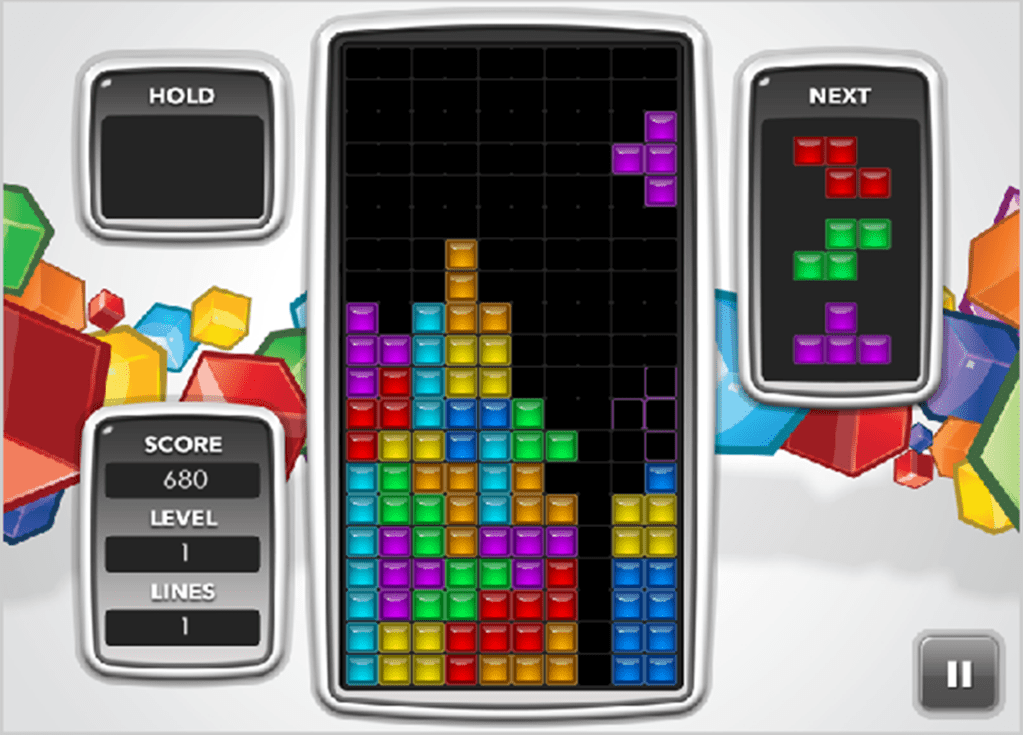
| Tetris.com’s free Tetris game. |
They are free and can be accessed online.
2) Unofficial Tetris Games
Unofficial Tetris games are versions not licensed by the Tetris company. They often have mechanisms that vary across games, differing from official Tetris versions.
They typically do not have line clear delays and have a far faster handling, enabling one to play the game much faster. These games also prioritize downstacking more.
i. TETR.IO
TETR.IO is a competitive multiplayer game with arena and 1 vs 1 modes. It also has many single-player modes.
| Diagram Set 1-23 |
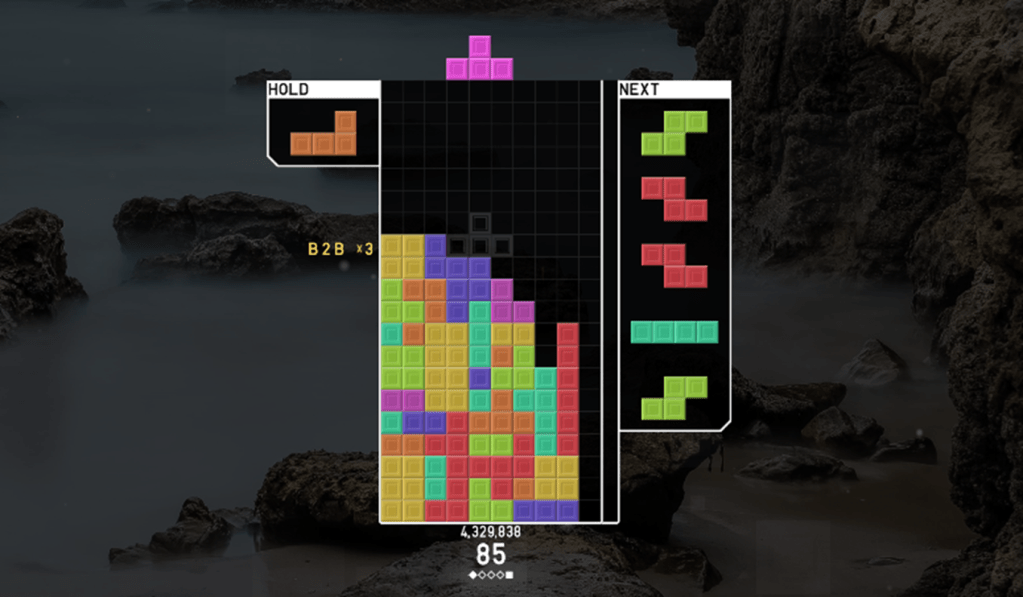
| TETR.IO. That was me in single-player Zen mode. |
It is currently the most popular unofficial Tetris game and is played competitively by many extremely hardcore players worldwide.
The current version features all-spin mechanisms, which add to the complexity of standard T-spins in official Tetris games.
ii. Jstris
Jstris is likely below TETR.IO in popularity among non-official games.
| Diagram Set 1-24 |
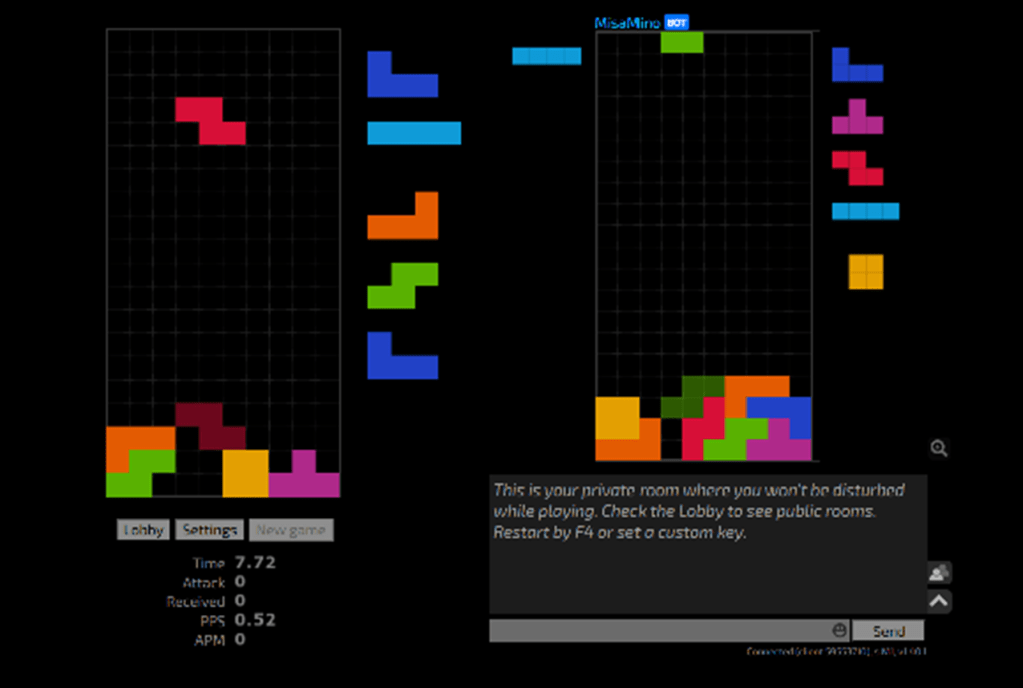
| Jstris. |
The game also features arena and 1 vs 1 modes.
However, it lacks the advanced all-spin and back-to-back charging features of TETR.IO.
Players who prefer a simpler, more streamlined experience may prefer this instead.
iii. Others
Other non-official Tetris games include the following:
- King of Stackers: A turn-based Tetris game.
- Tetra eSports: Another multiplayer Tetris game, focusing on 1 vs 1.
- Cultris I & II: A competitive Tetris game focused on downstacking.
- NullpoMino: A single-player Tetris game.
| Diagram Set 1-25 |
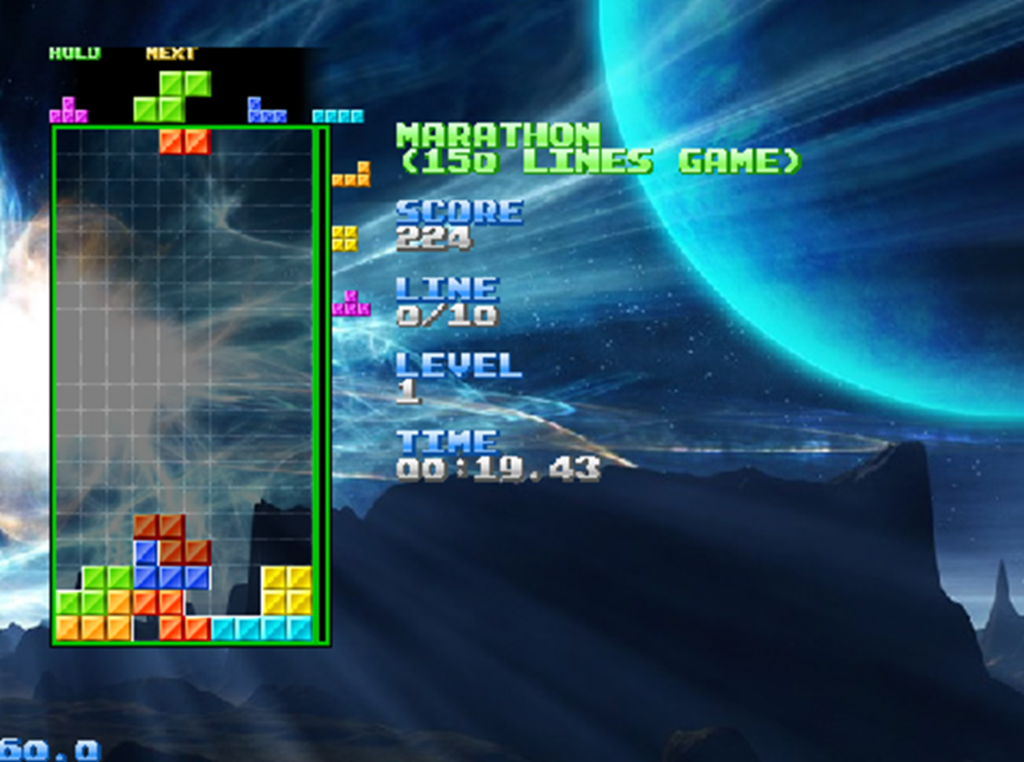
| NullpoMino’s marathon mode. |
There is No “Superior” Tetris Game
In my years of professional Tetris, I have often encountered players who insist that their version of Tetris is the “best” in terms of the required skill level to play it.
Hence, some believe that TETR.IO represents the ultimate competitive game because it has no speed limitation.
However, I wish to dispel this misconception.
All Tetris versions are tailored to players with specific preferences and skill sets.
For instance, Puyo Puyo Tetris emphasizes monstrously offensive gameplay, with extremely fast upstacking, back-to-backs, and T-spins. Being a slower game, it also emphasizes strategic placement over speed.
TETR.IO and Jstris focus more on defensive survival and downstacking, prioritizing speed over efficiency.
Tetris 99 is balanced and more experimental, allowing creative setups.
Classic NES Tetris emphasizes smooth stacking and survival due to its extreme randomness.
Every game attracts a particular breed of players, and no individual game is outright “better” than others.
The whole idiom of comparing apples to oranges again applies here.
Likewise, there is no way to accurately state that a player is the “best Tetris player” worldwide.
It depends on which game and which sub-mode.
Determining who is the “best” worldwide often boils down to social agreement, popularity, convention, influence, and marketing.
The “best” Tetris player, in my opinion, is Flare (Furea), in terms of overall skill level. However, she is less well-known because she rarely makes public appearances or attends tournaments.
Many high-level Tetris players are obscure because they chose not to appear publicly.
In a Nutshell
Now that you have become familiar with Tetris and your upcoming battlefields, we can move on to playing the game.
| Summary |
| Grasp this game’s mechanisms before proceeding. Choose the right Tetris game for your playstyle. There are no “better” or “worse” Tetris versions, only what is different and more suited for different people. |
 How to Tetris